
Overview
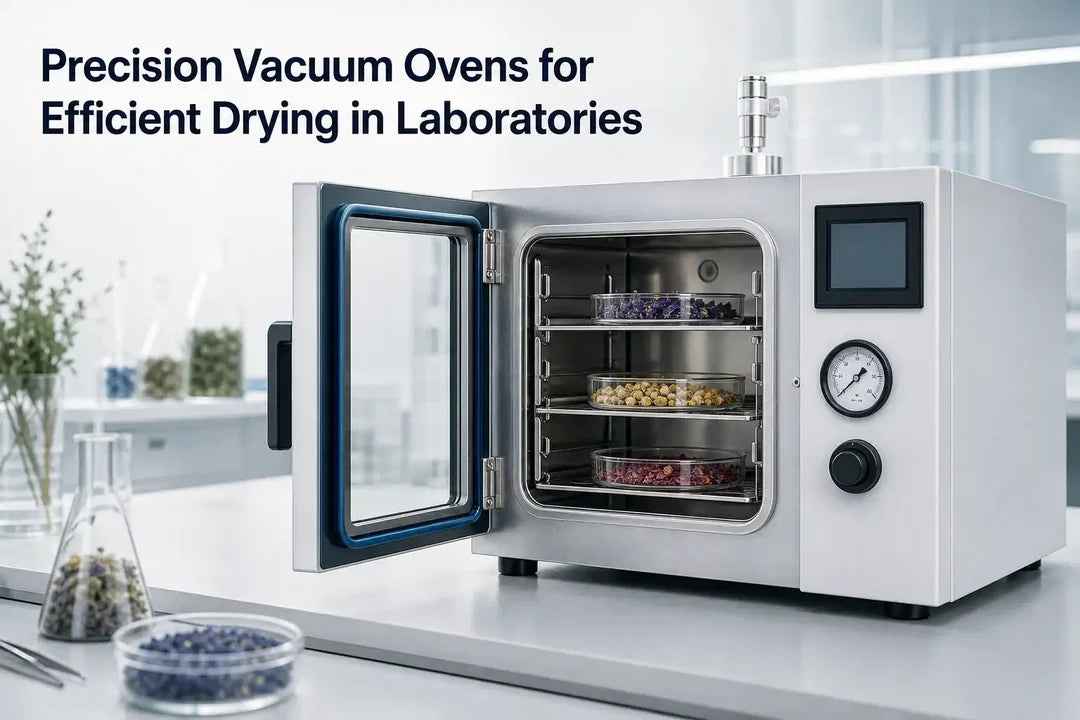
Precision vacuum ovens are vital for efficiently drying heat-sensitive materials in both laboratory and industrial settings. By creating a controlled low-pressure environment, these ovens enhance drying speed while maintaining material integrity. Understanding their features, maintenance needs, and selection criteria can significantly improve drying outcomes and operational efficiency, making them indispensable tools for professionals in various fields.
Table of Contents
- Understanding Precision Vacuum Ovens
- Checklist for Identifying the Right Vacuum Oven
- Key Features of Vacuum Ovens
- Temperature Control Mechanisms
- Material Construction
- Safety Features and Certifications
- Benefits of Using Vacuum Ovens for Drying
- Maintenance Tips for Vacuum Ovens
- Choosing the Right Vacuum Oven for Your Needs
- Factors to Consider
- Understanding Different Models
- Evaluating Budget versus Features
- Conclusion and Future Trends
Key Takeaways
- Precision vacuum ovens are vital for drying heat-sensitive materials, as they operate under reduced pressure to enhance drying efficiency without damaging the materials.
- Key features to look for include effective temperature control, which ensures even drying and minimizes hot spots, particularly important for sensitive samples.
- Regular maintenance is crucial for optimal performance; tasks include cleaning, inspecting seals, and calibrating gauges to prevent vacuum leaks and ensure accuracy.
- Consider the size and capacity of the vacuum oven based on your typical workload, as larger ovens can accommodate more samples simultaneously.
- Evaluate safety features such as over-temperature protection and industry certifications to ensure compliance and operator safety.
- Energy efficiency is a significant advantage of vacuum ovens, as they generally require less energy than traditional drying methods, leading to cost savings over time.
- Stay updated on technological advancements in vacuum ovens, as future models are expected to integrate smart technology and automated controls for enhanced user experience.
Comparison at a Glance
| Option | Best for | Strengths | Trade-offs |
|---|---|---|---|
| 316L SST 250C UL Certified 7.5 CF Vacuum Oven | High-throughput laboratories | Large capacity, advanced temperature control, uniform heating | Higher initial cost |
| 500C Max. 1.9 Cu Ft Vacuum Oven | High-temperature applications | Durable construction, suitable for demanding materials | Limited capacity for larger batches |
| Ai 250°C 8 Cu Ft 13 Shelves Max Forced Drying Oven | Versatile drying needs | Multiple shelves, efficient for various samples | Requires more maintenance |
| Ai 250°C 4.8 Cu Ft 9 Shelves Max Forced Drying Oven | Small to medium labs | Compact size, good for limited spaces | Lower capacity than larger models |
Precision vacuum ovens are essential tools in industrial and scientific applications, particularly for drying various materials. By creating a controlled environment with reduced pressure, these ovens enhance drying efficiency while preserving the integrity of the materials. For laboratory technicians and industrial professionals, understanding the key aspects of vacuum ovens is crucial for optimizing drying techniques.
Understanding Precision Vacuum Ovens
A vacuum oven is specifically designed to remove moisture from materials through a combination of heat and reduced atmospheric pressure. This method is particularly advantageous for drying heat-sensitive materials that may degrade under conventional drying methods. Vacuum ovens are commonly used in laboratories for applications such as drying botanical extracts, sterilizing medical devices, and preparing samples for analysis.
The precision in temperature control and vacuum levels is critical to the drying process. Variations in these parameters can lead to inconsistent results, affecting the quality of the final product. Therefore, selecting a vacuum oven with reliable temperature control mechanisms and robust vacuum capabilities is essential for achieving optimal drying outcomes.
Checklist for Identifying the Right Vacuum Oven
- Determine the volume capacity needed for your applications.
- Assess the temperature range required for your specific materials.
- Consider the construction materials for durability and maintenance.
- Evaluate safety certifications pertinent to your industry standards.
- Review additional features like programmable settings and alarms.
Key Features of Vacuum Ovens
When choosing a precision vacuum oven, several key features should be considered to ensure high performance and reliability. These features significantly influence the efficiency, safety, and overall effectiveness of the drying process.
Temperature Control Mechanisms
Effective temperature control is vital for maintaining consistent drying conditions. Many modern vacuum ovens, such as the 316L SST 250C UL Certified Vacuum Oven, utilize advanced internal shelf heating technology that provides individual temperature control for each shelf. This feature ensures uniform heating throughout the chamber, minimizing the risk of hot spots and ensuring even drying.
Material Construction
The construction of a vacuum oven impacts its performance and longevity. For instance, the 500C Max. Vacuum Oven features a stainless steel chamber that enhances durability and facilitates easy cleaning. Stainless steel is also effective in maintaining a high vacuum level, which is critical for efficient drying.
Safety Features and Certifications
Safety is paramount when operating vacuum ovens. Look for models that include over-temperature protection and UL certification, which indicates compliance with safety standards. The Ai 250°C 8 Cu Ft Forced Drying Oven incorporates safety features like an adjustable moisture escape port and automatic power cut-off during overheating, enhancing operator safety.
Benefits of Using Vacuum Ovens for Drying
Vacuum ovens offer several advantages over traditional drying methods, making them a preferred choice in laboratory and industrial settings. One of the most significant benefits is faster drying times. By reducing the pressure inside the oven, the boiling point of solvents is lowered, allowing for quicker evaporation without damaging sensitive materials.
Additionally, vacuum ovens ensure improved quality of dried materials. The controlled environment minimizes oxidation and contamination, which is particularly important when working with delicate botanical materials. This leads to higher purity and consistency in the final product, essential for applications in biotech and extract production.
Energy efficiency is another key advantage. Vacuum ovens generally require less energy than conventional drying methods since they operate at lower temperatures and can complete drying processes more quickly. This not only saves on energy costs but also reduces operational expenses over time.

For example, the 316L SST 250C UL Certified Vacuum Oven features advanced temperature control and uniform heating, allowing for consistent drying of materials. This oven is particularly beneficial for laboratories that require precise drying conditions for sensitive samples.
Maintenance Tips for Vacuum Ovens
To ensure optimal performance and longevity of vacuum ovens, regular maintenance is essential. Here are some key practices to consider:
- Regular Cleaning: Keep the interior of the oven clean to prevent contamination. Use appropriate cleaning agents that do not damage the stainless steel surfaces.
- Inspection Routines: Regularly inspect seals and gaskets for wear and tear. A compromised seal can lead to loss of vacuum, affecting performance.
- Calibration: Periodically calibrate the temperature and vacuum gauges to ensure accuracy. This is crucial for maintaining the integrity of your drying processes.
Common issues can include vacuum leaks, which may be detected through performance drops. If you notice that your vacuum oven is not holding its pressure, check all connections and seals for integrity. Additionally, if the temperature readings seem inconsistent, recalibrating the sensors may be necessary.
A maintenance checklist can help streamline these processes:
| Maintenance Task | Frequency |
|---|---|
| Clean interior surfaces | After every use |
| Inspect seals and gaskets | Monthly |
| Calibrate gauges | Quarterly |
| Perform vacuum leak tests | Biannually |
By adhering to these maintenance tips, you can ensure your vacuum oven remains in peak condition, thus enhancing its effectiveness in drying applications and prolonging its service life.
Choosing the Right Vacuum Oven for Your Needs
Selecting the most suitable vacuum oven for drying applications in laboratory or industrial settings can be a critical decision. With various models available, understanding the specific requirements of your work will guide you to the best choice. Here are essential factors to consider:
Factors to Consider
- Size and Capacity: Evaluate the volume of material you typically dry. For larger batches, consider options like the 316L SST 250C UL Certified 7.5 CF Vacuum Oven, which offers 7.5 cubic feet of space, making it ideal for extensive workloads.
- Temperature Range: Different applications may require varying temperature settings. For instance, the 500C Max. 1.9 Cu Ft Vacuum Oven can reach temperatures up to 500°C, suitable for more demanding drying tasks.
- Application: Determine the specific materials you will be drying. For sensitive botanical materials, ovens with precise temperature controls, like the Ai 250°C 8 Cu Ft Forced Drying Oven, can ensure uniformity and efficiency.
Understanding Different Models
Each vacuum oven model comes with unique specifications and features that cater to specific needs. For example:
- The Ai 250°C 4.8 Cu Ft 9 Shelves Max Forced Drying Oven includes nine shelves, allowing for multiple samples to be dried simultaneously, which is beneficial for high-throughput labs.
- Models constructed with stainless steel, like the 500C Max, enhance durability and ease of cleaning, crucial for maintaining hygiene in laboratory environments.
Evaluating Budget versus Features
While it can be tempting to choose the most advanced model, it is vital to align your selection with your budget. Consider not only the initial purchase price but also the long-term operational costs, including energy efficiency and maintenance requirements. For instance, the 316L SST oven offers a two-year warranty and low power consumption, making it a cost-effective choice over time.
Conclusion and Future Trends
Precision vacuum ovens play an essential role in achieving consistent drying results across various applications. As technology advances, we can expect to see innovations that increase efficiency, reduce energy consumption, and enhance user-friendliness. Emerging features like automated controls and smart technology integration are likely to become standard in future models, addressing the growing demand for reliable and efficient drying solutions.
For further reading on vacuum oven technology and to stay updated on new developments, consider exploring resources from manufacturers and industry publications. Understanding the latest trends will help you make informed decisions and maintain a competitive edge in your field.


Frequently Asked Questions
1. What is a precision vacuum oven?
2. What are the key benefits of using vacuum ovens for drying?
3. What factors should be considered when choosing a vacuum oven?
4. What maintenance practices are essential for vacuum ovens?
5. How do temperature control mechanisms affect vacuum oven performance?
Glossary
| Term | Meaning |
|---|---|
| Vacuum Oven | A device that removes moisture from materials using heat and reduced pressure. |
| Temperature Control | Mechanisms to maintain consistent heating during the drying process. |
| Moisture Escape Port | A feature that allows moisture to exit the oven safely during operation. |
| Calibration | The process of adjusting instruments to ensure accurate measurements. |
| Stainless Steel Chamber | A durable material used in oven construction to enhance longevity and cleaning. |
| UL Certification | A safety standard indicating compliance with industry safety requirements. |
| Energy Efficiency | The ability of a vacuum oven to use less energy while performing effectively. |
| Hot Spots | Areas within the oven that heat unevenly, potentially affecting results. |
| Maintenance Checklist | A list of tasks to ensure proper upkeep of the vacuum oven. |
| Programmable Settings | Features that allow users to set specific drying parameters for convenience. |