
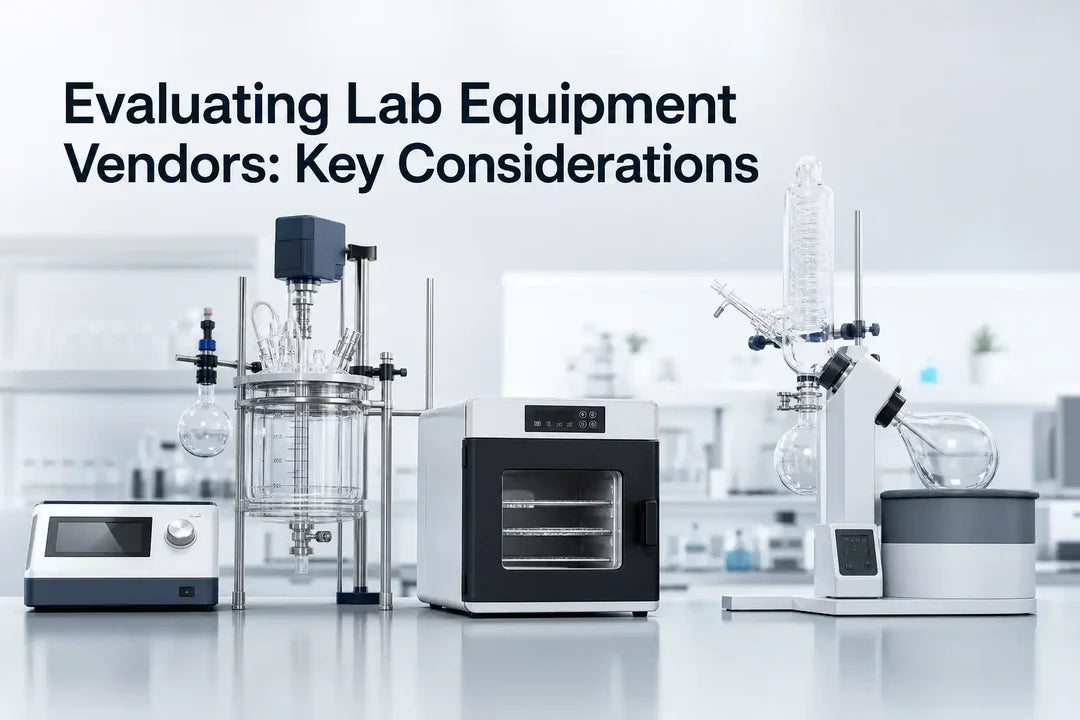
Overview
Choosing the right lab equipment vendor is essential for optimizing your laboratory's efficiency and safety. By assessing your specific needs, researching potential suppliers, and evaluating product quality and customer support, you can make an informed decision that aligns with your operational goals. This guide provides practical steps to help you navigate the vendor selection process effectively.
Table of Contents
- Understanding Your Lab's Needs
- Assess the Types of Experiments and Processes Conducted
- Determine the Necessary Specifications for Equipment
- Consider Future Growth and Scalability Needs
- Checklist for Defining Lab Equipment Needs
- Researching Potential Vendors
- Utilize Online Resources and Industry Directories
- Check Vendor Reputation Through Reviews and Testimonials
- Evaluate Vendor Experience in Your Specific Field
- Template for Vendor Research Notes
- Evaluating Product Quality and Compliance
- Look for Certifications and Compliance
- Assess the Quality of Materials Used in Equipment
- Understand Warranty and Service Agreements
- Assessing Customer Support and Service
- Inquire About Technical Support Availability
- Evaluate Response Times for Service Requests
- Consider Training and Installation Services Offered
- Analyzing Pricing and Payment Terms
- Compare Pricing Models Across Different Vendors
- Understand Payment Terms and Financing Options
- Factor in Total Cost of Ownership, Including Maintenance
- Making the Final Decision
- Weigh Pros and Cons of Shortlisted Vendors
- Involve Team Members in the Decision Process
- Trust Your Instincts Based on Research and Interactions
Key Takeaways
- Assess Laboratory Needs: Clearly identify the types of experiments and processes your lab conducts to determine the necessary equipment specifications.
- Research Vendors Thoroughly: Utilize online resources and industry directories to find vendors specializing in the equipment you require.
- Evaluate Vendor Reputation: Read reviews and testimonials to gauge product quality, customer service, and reliability.
- Ensure Compliance and Quality: Look for vendors with relevant certifications (e.g., ISO, CE Marking) and high-quality materials in their equipment.
- Analyze Pricing Structures: Compare different pricing models and payment terms to find the best value for your budget and long-term needs.
- Consider Total Cost of Ownership: Factor in maintenance, operational costs, and training expenses when evaluating equipment investments.
- Involve Your Team: Engage team members in discussions to gather insights and foster acceptance of new equipment choices.
Choosing the right lab equipment vendor is a critical decision that can significantly impact your laboratory's efficiency, safety, and overall success. To make an informed choice, it’s essential to evaluate your lab's specific needs and conduct thorough research on potential vendors. This guide will walk you through the key factors to consider to ensure you select a reliable partner for your lab equipment procurement.
Understanding Your Lab's Needs
Before diving into vendor research, it’s crucial to assess your laboratory's unique requirements. This step will help you identify the type of equipment you need and ensure that your procurement aligns with your operational goals.
Assess the Types of Experiments and Processes Conducted
Start by documenting the types of experiments you conduct regularly. Are you focused on chemical reactions, or do you require equipment for physical analyses? Understanding the primary functions of your lab will guide you in selecting the right equipment. For instance, if you frequently perform chemical reactions, investing in high-quality chemical reaction equipment may be essential.
Determine the Necessary Specifications for Equipment
Once you have a clear picture of your lab's operations, outline the specific specifications required for the equipment. Consider factors such as:
- Temperature range (e.g., from -110°F to 400°F for certain glass reactors)
- Material compatibility (ensure that the equipment can handle the chemicals used)
- Capacity and size to fit your laboratory layout
Consider Future Growth and Scalability Needs
As your lab evolves, your equipment needs may change. Think about future projects and expansions. Will you need more advanced features or a larger capacity? Selecting equipment that allows for scalability can save you from additional costs down the line. For example, a dual-jacketed reactor may offer versatility for various applications while accommodating future growth.
Checklist for Defining Lab Equipment Needs
Here’s a quick checklist to help you define your lab equipment needs:
- Identify key experiments and processes.
- List required specifications and features.
- Consider future scalability and flexibility.
- Engage team members in discussions to gather insights.
Researching Potential Vendors
With a clear understanding of your lab's requirements, the next step is to research potential vendors. This process will help you shortlist reliable suppliers who can meet your specific needs.
Utilize Online Resources and Industry Directories
Begin your vendor search by leveraging online resources and industry directories. Websites like Lab Manager and Lab Compare can provide valuable insights into various vendors. Look for companies that specialize in the type of equipment you need, particularly those offering vacuum oven accessories if that aligns with your requirements.
Check Vendor Reputation Through Reviews and Testimonials
Reputation is key when selecting a vendor. Take the time to read reviews and testimonials from other customers. Look for feedback on:
- Product quality and performance
- Customer service and support
- Delivery times and reliability
Online forums and social media can also provide insights into a vendor's reputation within the scientific community.
Evaluate Vendor Experience in Your Specific Field
Consider vendors with experience in your specific field. A vendor familiar with your industry will better understand your needs, regulatory requirements, and the types of equipment that will best serve your lab. Look for case studies or examples of how they have successfully supported similar laboratories in the past.
Template for Vendor Research Notes
To keep your research organized, use the following template to document your findings on each vendor:
| Vendor Name | Specialization | Reputation | Experience | Notes |
|---|---|---|---|---|
| Vendor A | Chemical Reaction Equipment | Positive | 10 years | Strong customer support |
| Vendor B | Vacuum Oven Accessories | Mixed | 5 years | Needs improvement in delivery times |
By following these steps, you can create a comprehensive understanding of your lab's needs and effectively research potential vendors. This foundational work will set the stage for a successful procurement process.
Evaluating Product Quality and Compliance
When selecting lab equipment vendors, ensuring product quality and compliance with industry standards is paramount. The equipment you choose directly impacts the reliability of your experiments and results. Here are key factors to consider:
Look for Certifications and Compliance
Certifications indicate that the equipment meets specific industry standards and regulations. When evaluating vendors, inquire about:
- ISO Certifications: Look for vendors that have ISO 9001 certification, which demonstrates their commitment to quality management systems.
- CE Marking: This indicates compliance with European safety standards, which can be crucial if you're operating in or selling to Europe.
- Other Relevant Certifications: Depending on your specific field, you may require equipment that adheres to standards set by organizations such as ASTM, FDA, or EPA.
Always verify the authenticity of these certifications. You can request documentation directly from the vendor or check their website for compliance statements.
Assess the Quality of Materials Used in Equipment
The materials that make up your chemical reaction equipment can significantly affect its durability and performance. Consider the following:
- Material Composition: Ensure that the equipment is constructed from high-quality materials, such as borosilicate glass for reactors, which is known for its resistance to thermal stress and chemical corrosion.
- Longevity and Maintenance: High-quality materials typically require less maintenance and have a longer lifespan, which can reduce your total cost of ownership.
- Manufacturer's Reputation: Research the vendor's history and reputation regarding the quality of their products. Customer reviews and testimonials can provide insight into the durability and reliability of their equipment.
Understand Warranty and Service Agreements
A comprehensive warranty and service agreement can protect your investment and ensure peace of mind. When comparing vendors, pay attention to:
- Warranty Length: Longer warranty periods can indicate confidence in the product's durability. Typical warranties range from one to five years.
- Coverage Details: Understand what is covered under the warranty. Does it include parts, labor, and shipping costs for repairs?
- Service Agreements: Some vendors offer service agreements that cover regular maintenance and inspections. This can be beneficial for complex equipment, such as vacuum oven accessories, where consistent performance is crucial.
To help you evaluate product quality and compliance, consider creating a comparison chart that includes the certifications, materials, and warranty details of each vendor's offerings. This visual representation can clarify which vendors meet your quality standards.
Assessing Customer Support and Service
Customer support is a vital aspect of selecting a lab equipment vendor. Reliable support can save you time and money in the long run. Here are essential factors to consider:
Inquire About Technical Support Availability
Technical support is crucial, especially when dealing with complex equipment. Ensure the vendor provides:
- 24/7 Support: Availability around the clock can be crucial for labs that operate outside of standard business hours.
- Multiple Support Channels: Look for vendors that offer various ways to contact support, such as phone, email, and live chat.
- Dedicated Support Teams: Some vendors assign specific teams to handle technical inquiries, which can lead to faster resolutions.
Evaluate Response Times for Service Requests
How quickly a vendor responds to service requests can greatly impact your lab's efficiency. Consider:
- Response Time Metrics: Ask potential vendors for their average response times to service inquiries. A prompt response indicates a commitment to customer satisfaction.
- Escalation Processes: Understand how the vendor escalates issues that require urgent attention. A clear process can help resolve critical problems more efficiently.
Consider Training and Installation Services Offered
Proper installation and training can significantly affect the performance of your lab equipment. When evaluating vendors, check if they provide:
- On-Site Installation: Some vendors offer installation services, ensuring that the equipment is set up correctly and safely.
- User Training: Comprehensive training for your team can enhance the effective use of the equipment and reduce the risk of errors.
- Documentation and Resources: Access to manuals, guides, and online resources can empower your team to troubleshoot common issues independently.
To assess customer support effectively, create a decision rule checklist that evaluates each vendor based on their support availability, response times, and training services. This structured approach can help you identify the vendor that best meets your needs.
By carefully evaluating product quality and customer support, you can make informed decisions that enhance the efficiency and reliability of your laboratory operations. Your choice of vendor can set the foundation for successful experiments and research outcomes.
Analyzing Pricing and Payment Terms
Understanding the financial implications of purchasing lab equipment is crucial for any laboratory manager or procurement specialist. Evaluating pricing structures and payment options can ensure that you get the best value for your investment. Here are some key considerations to keep in mind when analyzing pricing and payment terms:
Compare Pricing Models Across Different Vendors
Not all vendors offer the same pricing models. It’s essential to compare how different vendors price their chemical reaction equipment. Here are some common pricing structures you might encounter:
- Flat Rate Pricing: A single price for the equipment, which can simplify budgeting.
- Tiered Pricing: Discounts based on the quantity purchased, which can be beneficial if you plan to buy in bulk.
- Subscription Models: Some vendors offer equipment on a rental or subscription basis, which can reduce upfront costs.
- Lease-to-Own: Allows you to lease equipment with the option to purchase later, providing flexibility.
When evaluating these models, consider your lab's budget and long-term needs. A lower upfront cost may be appealing, but ensure that the total cost of ownership aligns with your financial goals.
Understand Payment Terms and Financing Options
Payment terms can significantly affect your cash flow. Be sure to discuss the following with potential vendors:
- Payment Schedule: Are payments due upfront, or can they be spread out over time? Understanding the payment timeline is crucial.
- Financing Options: Does the vendor offer financing plans? This can ease the burden of large purchases.
- Discounts for Early Payment: Some vendors may provide discounts for paying invoices promptly, which can help reduce overall costs.
Consider creating a cost analysis worksheet to help compare these terms across different vendors. This will enable you to make more informed financial decisions and find the best fit for your laboratory's budget.
Factor in Total Cost of Ownership, Including Maintenance
The initial purchase price is just one component of the total cost of ownership (TCO). It’s essential to consider other factors, such as:
- Maintenance Costs: Regular maintenance is necessary for longevity and performance. Check if the vendor offers maintenance services or warranties.
- Operational Costs: Assess the energy consumption and operational efficiency of the equipment. Some models may have higher utility costs.
- Replacement Parts: Understand the availability and cost of replacement parts. Some vendors may charge more for specific components.
- Training Costs: Factor in any training required for your team to operate the equipment effectively.
By considering TCO, you can avoid unexpected expenses and make a more sustainable investment in your lab equipment.
Making the Final Decision
Once you have gathered all the necessary information, it’s time to make your final decision. This stage is crucial as it can significantly impact your lab's performance and efficiency. Here’s how to navigate this critical process:
Weigh Pros and Cons of Shortlisted Vendors
After narrowing down your options, create a pros and cons list for each vendor. Consider aspects such as:
- Quality of equipment and compliance with industry standards.
- Customer service responsiveness and support availability.
- Pricing models and total cost of ownership.
- Vendor reputation and experience in your specific field.
This visual representation can simplify complex information and help you make a balanced decision.
Involve Team Members in the Decision Process
Collaboration can enhance the decision-making process. Involve key team members who will be using the equipment. Their insights can provide valuable perspectives on:
- Usability and functionality of the equipment.
- Specific features that may be critical for your lab's operations.
- Concerns regarding maintenance and support.
Engaging your team fosters a sense of ownership and can lead to better acceptance of the new equipment.
Trust Your Instincts Based on Research and Interactions
Finally, trust your instincts. After thorough research and discussions with vendors, consider how you feel about each option. Your intuition can guide you in areas where data may fall short. Pay attention to:
- How responsive and helpful the vendor has been during your interactions.
- Your overall comfort level with their proposed solutions.
- Any red flags that may have emerged during your evaluation.
To assist in this decision-making process, you might create a final decision matrix. This tool can help you quantify your thoughts and streamline the selection process, ensuring you choose the best vendor for your laboratory's needs.
By following these structured steps, you can confidently select a lab equipment vendor that aligns with your operational goals and budget, paving the way for successful and efficient laboratory operations.
Frequently Asked Questions
1. Why is choosing the right lab equipment vendor important?
2. What should I consider when assessing my lab's needs?
3. How can I research potential vendors effectively?
4. What certifications should I look for in lab equipment?
5. What factors should I consider when analyzing pricing and payment terms?
Glossary
| Term | Meaning |
|---|---|
| Vendor | A supplier of lab equipment or services. |
| ISO Certification | International standard indicating quality management systems. |
| CE Marking | Indicates compliance with European safety standards. |
| Scalability | Ability to expand or adapt equipment as lab needs grow. |
| Total Cost of Ownership (TCO) | Comprehensive cost including purchase, maintenance, and operation. |
| Technical Support | Assistance provided for equipment issues and troubleshooting. |
| Warranty | Guarantee covering repairs or replacements for a specified time. |
| Material Compatibility | Equipment’s ability to withstand specific chemicals and conditions. |
| Customer Reviews | Feedback from users about product quality and vendor service. |
| Installation Services | Support for setting up equipment correctly and safely. |
Linked Product

Ai 10L Single or Dual Jacketed Glass Reactor w/ Chiller & Pump
The Ai 10L Single or Dual Jacketed Glass Reactor is designed for controlled synthetic reactions, accommodating a wide temperature range from -110°F to 400°F. It features adjustable stirring speeds and a built-in condenser for effective material recovery, while the dual jacketed model enhances temperature control and prevents frost buildup. The reactor's durable construction includes solvent-resistant PTFE sealing components and high borosilicate glass, making it suitable for various viscous materials.
View Product