
Overview
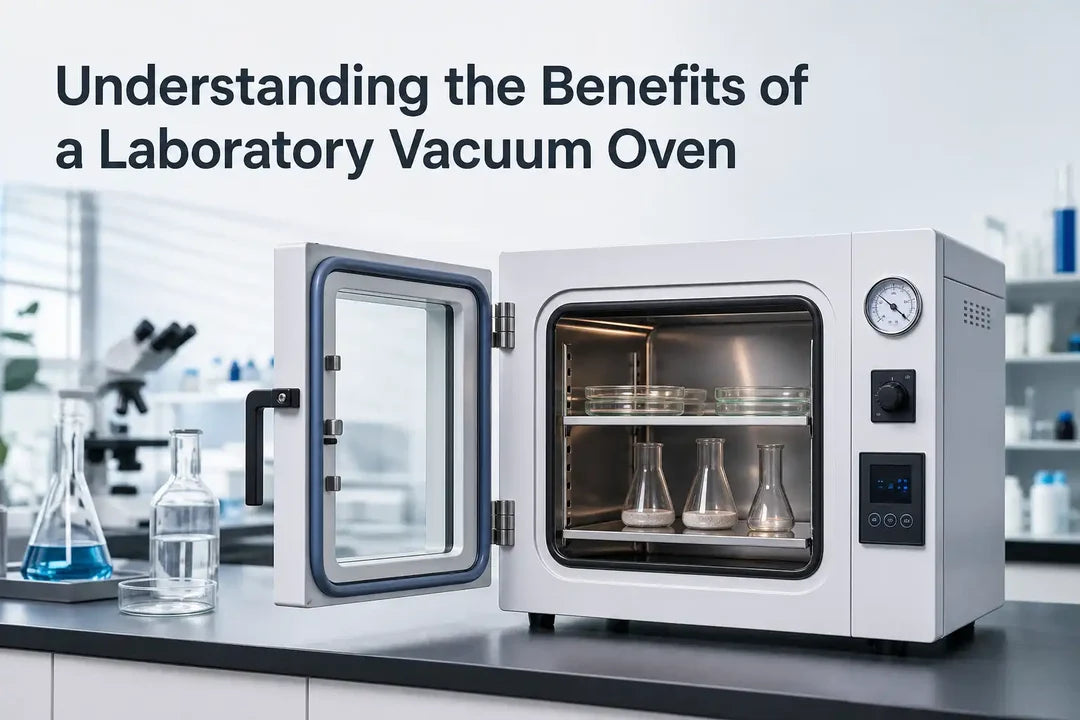
Laboratory vacuum ovens are essential for efficiently drying and processing heat-sensitive materials while maintaining a controlled environment. Their ability to operate under reduced pressure allows for faster drying times and improved material quality, making them invaluable in fields like pharmaceuticals and food science. Understanding their operation and benefits can significantly enhance your laboratory processes and outcomes.
Table of Contents
- Introduction to Laboratory Vacuum Ovens
- How Vacuum Ovens Work
- Key Benefits of Laboratory Vacuum Ovens
- Specific Scenarios Where These Benefits Are Crucial
- Applications of Vacuum Ovens in Laboratories
- Use in Drying and Curing Processes
- Applications in Material Testing and Research
- Role in the Production of Extracts and Oils
- Essential Vacuum Oven Accessories
- Types of Vacuum Gauges and Their Importance
- Filters and Valves for Maintaining Cleanliness
- Temperature Controllers for Precise Operations
- Checklist of Must-Have Accessories for Optimal Use
- Maintenance Tips for Vacuum Ovens
- Routine Cleaning Procedures
- Importance of Regular Leak Testing
- How to Calibrate Temperature Controls
- Common Pitfalls to Avoid with Vacuum Ovens
- Overloading the Oven with Materials
- Ignoring Maintenance Schedules
- Failing to Monitor Vacuum Levels
- Warning Signs of Potential Issues
Key Takeaways
- Controlled Environment: Laboratory vacuum ovens create low-pressure conditions that minimize external factors, ensuring accurate experimental results.
- Efficient Drying: They allow for faster drying times and lower boiling points, making them ideal for heat-sensitive materials like pharmaceuticals and biological samples.
- Enhanced Material Quality: Vacuum ovens help maintain the integrity of materials during processing, reducing oxidation and degradation.
- Versatile Applications: Common uses include drying biological samples, testing material properties, and producing high-quality extracts and oils.
- Essential Accessories: Key accessories like vacuum gauges, filters, and temperature controllers are crucial for optimal performance and maintenance of vacuum ovens.
- Regular Maintenance: Routine cleaning, leak testing, and calibration are essential to ensure the longevity and efficiency of vacuum ovens.
- Avoid Common Mistakes: Overloading the oven and neglecting maintenance can lead to inconsistent results and equipment failure.
Introduction to Laboratory Vacuum Ovens
A laboratory vacuum oven is a specialized heating device designed to remove moisture and solvents from materials while maintaining a controlled environment. By operating under reduced pressure, these ovens lower the boiling points of substances, allowing for more efficient drying and processing of heat-sensitive materials. This capability makes them invaluable in various industries, including pharmaceuticals, food processing, and materials science.
In many laboratory settings, controlled environments are crucial for obtaining accurate results. Vacuum ovens provide the necessary conditions to ensure that experiments are not compromised by external factors such as humidity or temperature fluctuations. Understanding how vacuum ovens work can enhance their application in your laboratory processes.
How Vacuum Ovens Work
Vacuum ovens function by creating a low-pressure environment within the chamber. This is achieved through a vacuum pump that removes air and moisture. As the pressure decreases, the boiling point of the materials inside the oven also lowers, allowing them to evaporate at lower temperatures without degrading. This is particularly beneficial for drying delicate substances, as it helps preserve their integrity and quality.
Key Benefits of Laboratory Vacuum Ovens
The advantages of using a laboratory vacuum oven are numerous and can significantly impact the efficiency and quality of laboratory processes. Here are some key benefits:
- Lower Boiling Points for Heat-Sensitive Materials: The vacuum environment allows for the evaporation of solvents and moisture at lower temperatures, making it ideal for drying heat-sensitive materials such as certain pharmaceuticals and biological samples.
- Faster Drying Times: Compared to conventional ovens, vacuum ovens can reduce drying times significantly. The removal of air not only speeds up the drying process but also ensures a more uniform drying effect, reducing the risk of localized overheating.
- Enhanced Quality of Processed Materials: The controlled conditions provided by vacuum ovens help maintain the quality of materials. For instance, in the production of oils and extracts, a vacuum environment minimizes oxidation and degradation, resulting in higher-quality end products.
Specific Scenarios Where These Benefits Are Crucial
Here are a few practical scenarios where the benefits of a vacuum oven can be particularly crucial:
- Pharmaceutical Research: When developing new drugs, it’s essential to dry compounds without altering their chemical structure. Vacuum ovens provide the necessary conditions to achieve this.
- Food Science: In the food industry, vacuum ovens can be used for drying fruits and vegetables, preserving their color and nutrients while extending shelf life.
- Material Testing: Scientists often need to test the properties of materials at different moisture levels. Vacuum ovens can help standardize the drying process, ensuring consistent results across experiments.
Applications of Vacuum Ovens in Laboratories
Laboratory vacuum ovens are versatile tools that provide controlled environments essential for various scientific processes. Their ability to create a vacuum allows researchers to dry, cure, and process materials effectively while minimizing thermal degradation. Here are some key applications:
Use in Drying and Curing Processes
One of the primary uses of a vacuum oven for drying is in removing moisture from heat-sensitive materials. The reduced pressure environment lowers the boiling point of water, allowing for rapid drying without exposing the material to high temperatures. This is particularly beneficial for:
- Biological samples, where preserving cellular structure is crucial.
- Pharmaceutical compounds, ensuring that active ingredients remain stable.
- Polymers and composites, which require precise moisture content for optimal performance.
Applications in Material Testing and Research
Vacuum ovens are also integral in material testing, where consistency and precision are paramount. Researchers utilize these ovens to prepare samples for various tests, including:
- Thermal analysis: Understanding how materials respond to heat.
- Mechanical testing: Evaluating the strength and durability of materials.
- Chemical analysis: Ensuring that sample purity is maintained before testing.
The ability to control the environment in a vacuum oven ensures that experimental results are reliable and reproducible.
Role in the Production of Extracts and Oils
In laboratories focused on extracting oils and other compounds from plant materials, vacuum ovens serve a critical function. The low-pressure environment facilitates the extraction process while preserving the integrity of delicate compounds. This is especially important for:
- Essential oils, where heat can alter the fragrance and therapeutic properties.
- Natural extracts, ensuring that beneficial compounds remain intact.
- Concentrates, which require precise temperature control to avoid degradation.
By utilizing a laboratory vacuum oven, researchers can produce higher quality extracts with improved yields.
Essential Vacuum Oven Accessories
To maximize the functionality of your laboratory vacuum oven, certain accessories can enhance performance and ensure optimal results. Here’s a rundown of essential vacuum oven accessories:
Types of Vacuum Gauges and Their Importance
Accurate measurement of pressure is vital in vacuum applications. A reliable vacuum gauge will help maintain the desired pressure levels within the oven, ensuring effective drying and processing. Some popular types of vacuum gauges include:
- Mechanical gauges: Provide a simple visual representation of vacuum levels.
- Digital gauges: Offer precise readings and often include data logging features.
- Capacitance manometers: Suitable for high-accuracy applications, providing extremely precise pressure measurements.
Choosing the right gauge can significantly impact your oven's performance and the quality of the processed materials.
Filters and Valves for Maintaining Cleanliness
Keeping the vacuum oven clean is critical for maintaining its performance and the quality of the materials processed. Accessories such as filters and valves play an essential role in this aspect:
- Inlet filters: Prevent contaminants from entering the oven, ensuring a clean processing environment.
- Vacuum valves: Enable precise control over the vacuum levels and help maintain cleanliness by allowing for easy isolation of the oven when needed.
Regularly checking and replacing these accessories will help extend the life of your vacuum oven and maintain the integrity of your samples.
Temperature Controllers for Precise Operations
Temperature control is crucial when using a vacuum oven, especially for heat-sensitive materials. Modern vacuum ovens often come equipped with advanced temperature controllers that allow for:
- Proportional gain control: Offers precise temperature regulation, reducing fluctuations that can affect sample integrity.
- Dual display: Shows both set and actual temperatures, making it easier to monitor conditions inside the oven.
Investing in high-quality temperature controllers can enhance your laboratory's efficiency and ensure consistent results.
Checklist of Must-Have Accessories for Optimal Use
To ensure your laboratory vacuum oven operates at its best, consider this checklist of essential accessories:
- Vacuum gauge (mechanical or digital)
- Inlet filters
- Vacuum valves
- Temperature controllers
- Cleaning supplies for routine maintenance
By equipping your vacuum oven with these accessories, you can enhance its functionality and ensure the longevity of your equipment.
Maintenance Tips for Vacuum Ovens
Proper maintenance of a laboratory vacuum oven is essential for ensuring its longevity and optimal performance. Following a structured maintenance routine can help prevent issues that might compromise your experiments. Here are some critical tips for maintaining your vacuum oven:
Routine Cleaning Procedures
Maintaining a clean vacuum oven is paramount for achieving accurate results. Here are steps to follow:
- Daily Cleaning: After each use, wipe down the interior surfaces with a soft cloth. Use a mild detergent if necessary, ensuring no residues are left behind.
- Weekly Inspection: Check for any signs of wear, corrosion, or damage to the internal components. Pay special attention to the seals and gaskets, as these are crucial for maintaining a proper vacuum.
- Monthly Deep Cleaning: Perform a thorough cleaning of all components, including shelves and vacuum valves. Ensure that all parts are dry before reassembling the oven.
Importance of Regular Leak Testing
Leak testing is vital to ensure the integrity of the vacuum environment. A leak can lead to inaccurate results and wasted time. Here’s how to implement a regular leak testing schedule:
- Frequency: Conduct leak tests at least once a month, or more frequently if the oven is used heavily.
- Testing Method: Use an oil-filled vacuum gauge to monitor pressure levels. A drop in pressure indicates a potential leak that needs to be addressed.
- Documentation: Keep a log of all leak tests, noting any adjustments or repairs made. This can help identify recurring issues over time.
How to Calibrate Temperature Controls
Accurate temperature control is crucial for the effective operation of a vacuum oven. Regular calibration ensures that the oven operates within the desired temperature range:
- Calibration Frequency: Calibrate the temperature controls every three months or whenever there’s a significant change in performance.
- Calibration Process: Use a calibrated thermocouple or thermometer to verify the temperature settings. Adjust the controls according to the readings to ensure accuracy.
- Record Keeping: Document all calibration results and adjustments to maintain a reliable history of the oven's performance.
Common Pitfalls to Avoid with Vacuum Ovens
While vacuum ovens are powerful tools, certain mistakes can hinder their effectiveness and lead to subpar results. Here are common pitfalls to avoid:
Overloading the Oven with Materials
One of the most frequent mistakes is overloading the vacuum oven. This can lead to uneven heating and inefficient drying:
- Weight Limit: Always adhere to the manufacturer’s weight limits for the oven. Overloading can strain the vacuum system and the heating elements.
- Uniform Distribution: Ensure that materials are evenly distributed on the shelves. Crowding can block airflow and lead to inconsistent results.
Ignoring Maintenance Schedules
Neglecting scheduled maintenance can lead to decreased performance and potential failures:
- Set Reminders: Use calendar reminders or maintenance logs to keep track of cleaning, testing, and calibration activities.
- Follow Manufacturer Guidelines: Adhere to the recommended maintenance guidelines provided by the manufacturer to ensure optimal operation.
Failing to Monitor Vacuum Levels
Maintaining the correct vacuum levels is crucial for the effective operation of a laboratory vacuum oven. Here’s how to avoid issues:
- Regular Monitoring: Keep an eye on the vacuum gauge during operation. Sudden changes in vacuum levels can indicate a problem that needs immediate attention.
- Immediate Action: If you notice a drop in vacuum pressure, stop the oven and investigate the cause. This could be due to leaks, equipment failure, or improper setup.
Warning Signs of Potential Issues
Being aware of warning signs can help you address problems before they escalate:
- Inconsistent Results: If experiments yield variable results, it may indicate issues with temperature control or vacuum integrity.
- Unusual Noises: Listen for any strange sounds during operation, which could suggest mechanical issues.
- Visual Damage: Look for signs of wear or damage on seals, gaskets, and internal components. Early detection is key to preventing larger issues.
By adhering to these maintenance tips and avoiding common pitfalls, you can ensure that your laboratory vacuum oven remains an efficient and reliable tool for your research and experiments. Proper care not only enhances performance but also extends the lifespan of your equipment, making it a wise investment for any laboratory setting.
Frequently Asked Questions
1. What is a laboratory vacuum oven?
2. How do vacuum ovens work?
3. What are the key benefits of using a laboratory vacuum oven?
4. What are some common applications of vacuum ovens in laboratories?
5. What maintenance tips should be followed for vacuum ovens?
Glossary
| Term | Meaning |
|---|---|
| Laboratory Vacuum Oven | A device for drying materials under reduced pressure to prevent degradation. |
| Vacuum Pump | Equipment that removes air and moisture to create a low-pressure environment. |
| Boiling Point | The temperature at which a substance transitions from liquid to gas. |
| Heat-Sensitive Materials | Substances that can degrade or change properties when exposed to high temperatures. |
| Temperature Controller | A device that regulates the temperature within the vacuum oven for precise operations. |
| Leak Testing | A procedure to check for air leaks that can compromise the vacuum integrity. |
| Inlet Filters | Filters that prevent contaminants from entering the vacuum oven. |
| Calibration | The process of adjusting equipment to ensure accurate measurements. |
| Oxidation | A chemical reaction that can degrade materials, often minimized in vacuum environments. |
| Mechanical Testing | Evaluating the strength and durability of materials under stress. |
Linked Product

316L SST 250C UL 14 Shelf Max 5 Cu Ft 5 Sided Heating Explosion Proof Vacuum Oven ETL Certified
The 316L SST 250C UL 14 Shelf Max 5 Cu Ft 5 Sided Heating Explosion Proof Vacuum Oven is designed for efficient curing and converting of oil extracts, making it ideal for applications that require heat sensitivity. With a spacious 5.0 cu ft capacity and 14 stainless steel shelves, it offers enhanced productivity through reduced drying times and superior quality results. Features such as secondary over-temperature protection and a built-in alarm ensure safe operation, while its durable stainless steel interior facilitates easy cleaning and maintenance.
View Product