
Overview
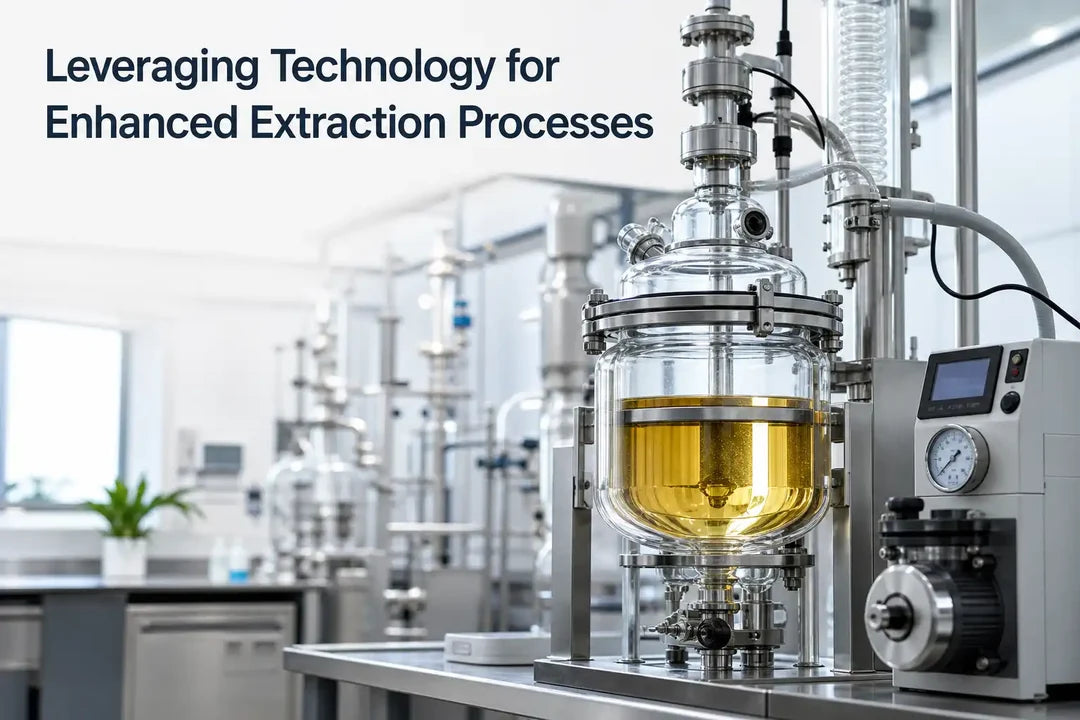
This article provides an in-depth overview of extraction technology, highlighting its significance in various industries and the role of advanced equipment in optimizing processes. Readers will learn about the benefits of ETL certified equipment, key technologies used in extraction, and the importance of safety features. Additionally, the article discusses future trends and innovations that promise to enhance efficiency and sustainability in extraction practices.
Table of Contents
- Introduction to Extraction Technology
- Benefits of ETL Certified Equipment
- Safety Standards and Compliance
- Impact on Equipment Lifespan
- Trust and Reliability for Users
- Comparison Table: ETL Certified vs. Non-Certified Equipment
- Key Technologies in Extraction Processes
- Rotary Evaporators and Their Functions
- Role of Recovery Pumps in Extraction
- Digital Controls and Automation
- Optimizing Extraction with Automation
- Benefits of Automated Systems
- Examples of Automation in Extraction
- Challenges and Considerations
- Safety Features in Modern Extraction Equipment
- Common Safety Features in Extraction Equipment
- Importance of Safety Features
- Future Trends in Extraction Technology
- Innovations in Extraction Technology
- Predictions for the Future of Extraction
- Staying Updated on Extraction Technology Trends
Key Takeaways
- Extraction technology is essential across various industries, including pharmaceuticals and food, for efficiently separating components from raw materials.
- ETL certification ensures that extraction equipment meets safety and performance standards, enhancing operational reliability and user trust.
- Key technologies in extraction include rotary evaporators, recovery pumps, digital controls, and automated material handling systems.
- Automation improves consistency, reduces manual errors, and enhances safety in extraction processes, although it requires careful financial planning and staff training.
- Modern extraction equipment incorporates safety features like dry-run protection and over-temperature shut-off to mitigate risks and ensure compliance with regulations.
- Future trends in extraction technology point towards increased automation, digital monitoring, and a focus on eco-friendly practices to enhance efficiency and sustainability.
- Investing in ETL certified equipment can lead to longer equipment lifespan and cost savings due to reduced maintenance and operational risks.
Introduction to Extraction Technology
Extraction technology is a cornerstone of modern industrial processes, enabling the efficient separation of desired components from raw materials. This technique is vital across various sectors, including pharmaceuticals, food and beverage, and botanical extracts. By leveraging advanced technology, businesses can optimize their extraction processes, ensuring higher yields and improved product quality.

Modern extraction methods heavily rely on technology to enhance efficiency and precision. With the integration of automated systems, digital controls, and specialized equipment, businesses can achieve consistent results while minimizing operational risks. Below is a checklist of key technologies commonly used in extraction:
- Rotary evaporators
- Recovery pumps
- Digital temperature controls
- Vacuum systems
- Automated material handling systems
Benefits of ETL Certified Equipment
When selecting extraction equipment, the importance of ETL certification cannot be overstated. ETL certification signifies that a product has been tested and meets specific safety and performance standards set by Underwriters Laboratories (UL) or the Canadian Standards Association (CSA). This certification reflects a commitment to safety and quality that can significantly impact your extraction operations.
Safety Standards and Compliance
ETL certified equipment adheres to rigorous safety standards, ensuring efficient operation without posing risks to users or the environment. This compliance is essential for businesses looking to maintain a safe workspace and comply with regulatory requirements.
Impact on Equipment Lifespan
Investing in ETL certified equipment often translates to a longer lifespan. Such equipment is built to withstand the rigors of continuous operation, reducing the likelihood of malfunction and the associated costs of repairs or replacements. This durability ultimately leads to cost savings over time.
Trust and Reliability for Users
Using ETL certified equipment enhances trust among users and stakeholders. It assures them that the equipment has been evaluated for safety and performance, fostering confidence in operational decisions. This reliability is crucial, especially in industries where the quality of extracts directly impacts consumer safety and satisfaction.
Comparison Table: ETL Certified vs. Non-Certified Equipment
| Feature | ETL Certified Equipment | Non-Certified Equipment |
|---|---|---|
| Safety Standards | Meets UL/CSA standards | No standardized safety evaluation |
| Durability | Designed for longevity | Varies widely |
| User Trust | Higher trust due to certification | Lower trust; potential safety concerns |
| Regulatory Compliance | Often required for compliance | May not meet regulatory requirements |
Incorporating ETL certified equipment into your extraction processes not only improves safety and reliability but also enhances overall operational efficiency. As you consider upgrading or investing in new equipment, prioritize those that carry this certification.
Key Technologies in Extraction Processes
In the extraction industry, leveraging advanced technologies is essential for enhancing efficiency and achieving reliable results. Several key technologies play a pivotal role in modern extraction processes:
Rotary Evaporators and Their Functions
One of the most significant advancements in extraction technology is the rotary evaporator. These devices are designed to efficiently separate solvents from compounds through evaporation, making them invaluable in various extraction applications. The basic principle involves:
- Continuous Rotation: The flask containing the solvent is rotated, creating a thin film of liquid that increases the surface area for evaporation.
- Optimized Heating: The water bath gently heats the solvent, ensuring effective evaporation without degrading the material.
- Vacuum Application: By reducing the pressure within the system, the boiling point of solvents is lowered, allowing for more efficient extraction processes.
An ETL certified evaporator guarantees compliance with safety standards, enhancing the reliability and lifespan of the equipment. This certification is crucial for businesses looking to ensure safe operations while maintaining high-quality extraction results.
Role of Recovery Pumps in Extraction
Recovery pumps are another essential component in the extraction process. These devices efficiently collect and recycle solvents used during extraction, which not only saves costs but also minimizes waste. Their key benefits include:
- Increased Efficiency: Recovery pumps significantly speed up the extraction process by quickly removing solvents from the system.
- Cost Savings: By recycling solvents, businesses can reduce overall solvent consumption, leading to lower operational costs.
- Environmental Impact: Utilizing recovery pumps helps minimize solvent waste, aligning extraction practices with eco-friendly initiatives.
Integrating recovery pumps into your extraction setup can drastically enhance efficiency and sustainability. As the industry moves towards greener practices, these pumps will play a crucial role in reducing the environmental footprint of extraction operations.
Digital Controls and Automation
The integration of digital controls and automation systems has revolutionized extraction processes. These technologies allow for precise monitoring and adjustments, contributing to improved consistency and quality. Here are some advantages of utilizing digital controls:
- Precision: Digital controls facilitate accurate temperature and pressure management, ensuring optimal extraction conditions.
- Data Logging: Automation systems can log data throughout the extraction process, providing valuable insights for future operations.
- Remote Monitoring: Many modern systems enable operators to monitor and control processes remotely, enhancing operational flexibility.
By implementing digital controls, extraction facilities can enhance their operational efficiency and product consistency, leading to better overall performance.
Optimizing Extraction with Automation
Automation is a game-changer in the extraction industry, streamlining processes and reducing the potential for human error. Here’s how automation can optimize extraction operations:
Benefits of Automated Systems
Automated systems provide numerous advantages that can significantly impact extraction efficiency:
- Consistency: Automated processes ensure that each extraction follows the same parameters, leading to uniform product quality.
- Time Savings: Automation reduces the time required for manual tasks, allowing operators to focus on more critical aspects of the operation.
- Enhanced Safety: Automation minimizes risks associated with human error, especially in handling hazardous materials.
Examples of Automation in Extraction
Many facilities have successfully implemented automation in their extraction processes. For example:
- Automated Filling Systems: These systems can automatically fill extraction vessels, reducing the risk of spills and enhancing efficiency.
- Integrated Monitoring Systems: Automation allows for real-time monitoring of extraction parameters, enabling immediate adjustments as needed.
- Automated Cleaning Systems: These systems help maintain equipment cleanliness, reducing downtime and improving operational efficiency.
Challenges and Considerations
While automation offers significant benefits, there are challenges to consider:
- Initial Investment: The upfront cost of automated systems can be substantial, requiring careful financial planning.
- Training Requirements: Staff may need training to effectively operate and maintain automated systems, which could result in temporary productivity loss.
- Maintenance Needs: Automated systems may require specialized maintenance, which can add to operational costs.
Despite these challenges, the long-term benefits of automation in extraction processes often outweigh the initial hurdles. By carefully evaluating your operational needs and the potential return on investment, you can make informed decisions about integrating automation into your extraction processes.
Safety Features in Modern Extraction Equipment
In the extraction industry, safety is paramount. With the use of advanced technologies, modern extraction equipment is designed with various safety features to protect operators and ensure compliance with industry standards. Understanding these features can help you make informed decisions when selecting equipment for your extraction processes.
Common Safety Features in Extraction Equipment
Modern extraction equipment incorporates a range of safety features to mitigate risks associated with the extraction process. Here are some of the most common safety features to look for:
- Dry-Run Protection: This feature prevents the equipment from operating without the necessary fluids, which can lead to overheating and damage. It automatically shuts down the machine if it detects insufficient fluid levels.
- Over-Temperature Shut-Off: Essential for maintaining safe operating temperatures, this feature shuts down the equipment if it exceeds predetermined temperature limits, preventing potential hazards.
- Fuse Protection: Fuses protect against electrical surges, ensuring that equipment remains operational even in the event of power fluctuations.
- Vacuum Sealing: Proper sealing mechanisms prevent leaks and ensure that the extraction process remains efficient and safe, particularly when dealing with volatile solvents.
Importance of Safety Features
Integrating safety features into extraction equipment not only protects operators but also enhances the overall efficiency of extraction processes. Here’s why these features are crucial:
- Compliance with Regulations: Many municipalities require extraction equipment to meet specific safety standards, such as ETL certification. This certification indicates that the equipment has been tested for safety and reliability.
- Increased Equipment Lifespan: Safety features help prevent damage to equipment, leading to a longer operational life and reducing the need for frequent replacements.
- Trust and Reliability: Equipment with robust safety features fosters trust among users, ensuring that they can operate machinery without unnecessary risks.
When investing in extraction equipment, it is vital to prioritize safety features. A checklist for evaluating safety in extraction equipment may include:
- Does the equipment have dry-run protection?
- Is there an over-temperature shut-off feature?
- What type of fuse protection is included?
- Are vacuum seals in place to prevent leaks?
Future Trends in Extraction Technology
The extraction industry is continually evolving, with new technologies emerging that promise to enhance efficiency and sustainability. Staying informed about these trends can give your business a competitive edge.
Innovations in Extraction Technology
As technology advances, several innovative practices are reshaping extraction processes. Here are some key trends to watch:
- Automation: Automated systems streamline extraction processes, allowing for greater consistency and efficiency. Automation reduces human error and can significantly speed up production times.
- Digital Monitoring: Real-time monitoring systems enable operators to track extraction parameters, ensuring optimal performance and immediate response to any deviations.
- Eco-Friendly Practices: There is a growing emphasis on sustainability, with many companies investing in eco-friendly extraction methods that minimize waste and reduce environmental impact.
Predictions for the Future of Extraction
Looking ahead, several predictions can be made about the future of extraction technology:
- Increased Integration of AI: Artificial intelligence will likely play a significant role in optimizing extraction processes, allowing for better predictive maintenance and efficiency adjustments.
- Enhanced Recovery Systems: The use of advanced recovery pumps will become more common, improving solvent recovery rates and reducing waste.
- Focus on Safety and Compliance: As regulations tighten, the demand for ETL certified equipment will increase, ensuring that businesses operate within safety standards.
Staying Updated on Extraction Technology Trends
To keep pace with these trends, consider the following resources:
- Extraction Technology News - A source for the latest innovations and industry insights.
- Sustainable Extraction Practices - Information on eco-friendly extraction methods.
- ETL Certification Updates - Stay informed about safety standards and compliance requirements.
By leveraging the latest technologies and understanding the importance of safety, you can enhance your extraction processes and position your business for future success.
Frequently Asked Questions
1. What is extraction technology?
2. Why is ETL certification important for extraction equipment?
3. What are some key technologies used in extraction processes?
4. How does automation benefit extraction processes?
5. What safety features should one look for in extraction equipment?
Glossary
| Term | Meaning |
|---|---|
| Extraction Technology | Methods used to separate desired components from raw materials. |
| ETL Certification | Certification indicating compliance with safety and performance standards. |
| Rotary Evaporator | A device for efficiently separating solvents from compounds. |
| Recovery Pump | Equipment that recycles solvents to reduce waste and costs. |
| Digital Controls | Systems for precise monitoring and adjustments in extraction processes. |
| Automation | Use of technology to streamline processes and reduce human error. |
| Safety Features | Design elements that protect operators and ensure compliance with regulations. |
| Vacuum Systems | Systems that lower boiling points to enhance extraction efficiency. |
| Data Logging | Recording data throughout extraction for analysis and optimization. |
| Eco-Friendly Practices | Methods aimed at reducing environmental impact during extraction. |
Linked Product

Ai SolventVap 5L Evaporator w/ Cold Trap Condenser & Power Lift
The Ai SolventVap 5L Evaporator is designed for efficient solvent evaporation, featuring a digital temperature and rotation control that enables precise adjustments for optimal results. Its innovative design includes a cold trap condenser and a continuous feed system, allowing for uninterrupted operation while maintaining safety with multiple protective features. This unit is suitable for laboratories needing reliable and reproducible extraction processes, particularly for solvents with higher boiling points.
View Product