
Overview
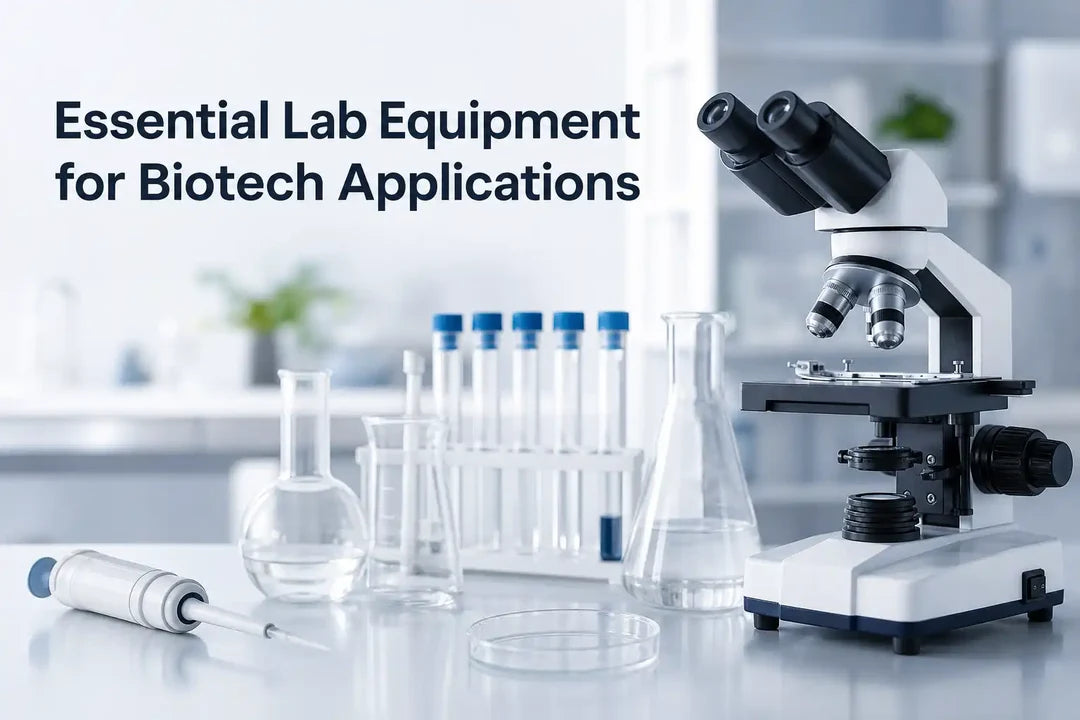
This article provides an in-depth exploration of essential lab equipment for biotechnology, emphasizing the importance of safety and efficiency in research and development. Readers will learn about critical tools, including fume hoods, analytical instruments, and safety gear, as well as key considerations for selecting the right equipment to enhance lab operations. By understanding these elements, biotech professionals can create a functional and safe laboratory environment conducive to innovative research.
Table of Contents
- Introduction to Biotech Lab Equipment
- Fume Hoods: Ensuring Safety in the Lab
- Definition and Purpose of a Work Area Fume Hood
- Key Features to Look for in a Fume Hood
- Essential Equipment for Botanical Extraction
- Overview of Botanical Extraction Equipment
- Importance of Precision and Quality in Extraction
- Laboratory Glassware: Types and Uses
- Common Types of Glassware and Their Specific Uses
- Importance of Selecting the Right Glassware for Experiments
- Instruments for Analysis and Measurement
- Types of Analytical Instruments Commonly Used
- How to Choose the Right Instrument for Your Needs
- Checklist for Evaluating Analytical Instruments
- Safety Equipment: Protecting Lab Personnel
- Types of Safety Equipment Required in Biotech Labs
- Regulatory Standards for Lab Safety
- Caveats Regarding the Maintenance and Use of Safety Equipment
- Conclusion: Building a Functional Biotech Lab
Key Takeaways
- Purpose and Functionality: Select lab equipment that specifically meets the needs of your research projects.
- Quality and Reliability: Invest in equipment from reputable manufacturers to ensure consistent performance.
- Safety Features: Prioritize equipment with integrated safety features, especially when handling hazardous materials.
- Essential Fume Hood: A well-designed fume hood is crucial for protecting lab personnel from harmful fumes and maintaining experiment integrity.
- Botanical Extraction Equipment: Utilize extractors, separators, and evaporators to enhance the quality and yield of plant-based compounds.
- Glassware Selection: Choose appropriate glassware based on experiment type to improve accuracy and reliability in results.
- Safety Compliance: Familiarize yourself with OSHA and NIH guidelines to ensure laboratory safety and regulatory compliance.
In the fast-evolving world of biotechnology, the right lab equipment is fundamental to achieving reliable results and ensuring safety. As biotech professionals and lab managers, understanding the essential tools and equipment can significantly enhance research and development efforts. This article delves into the crucial lab equipment necessary for biotech applications, focusing on safety and efficiency in the laboratory environment.
Introduction to Biotech Lab Equipment
Lab equipment plays a pivotal role in biotech research and development. It not only facilitates complex experiments but also ensures that they are conducted safely and efficiently. In a biotech lab, where precision and accuracy are paramount, the selection of appropriate equipment is crucial. Below are key considerations to keep in mind when selecting lab equipment:

- Purpose and Functionality: Ensure the equipment serves the specific needs of your research.
- Quality and Reliability: Opt for equipment from reputable manufacturers to guarantee performance.
- Safety Features: Look for features that enhance safety, especially when handling hazardous materials.
- Space and Layout: Consider the lab's layout to ensure efficient workflow and accessibility of equipment.
- Budget Constraints: Balance quality with cost-effectiveness to maximize your lab's potential.
By carefully evaluating these factors, biotech labs can create a functional and safe environment that promotes innovative research.
Fume Hoods: Ensuring Safety in the Lab
A critical component of any biotech laboratory is the fume hood, particularly the Work Area Fume Hood. This essential piece of equipment is designed to protect lab personnel from hazardous fumes, vapors, and airborne particles generated during experiments.
Definition and Purpose of a Work Area Fume Hood
The primary function of a Work Area Fume Hood is to provide a ventilated workspace that safely contains and exhausts harmful substances. This not only protects the individuals working in the lab but also prevents contamination of the research environment. A well-designed fume hood is integral to maintaining the integrity of sensitive experiments, especially those involving volatile chemicals or biological materials.
Key Features to Look for in a Fume Hood
When selecting a fume hood, consider the following features that can enhance safety and usability:
- Size and Dimensions: Ensure the fume hood fits within your lab space while providing ample work area. For example, a fume hood with an interior width of 86 inches and depth of 23 inches allows for a spacious working environment.
- Ventilation System: Look for a hood equipped with a reliable ventilation system that effectively removes harmful vapors and maintains airflow.
- Sash Design: A vertical sliding sash door with horizontal sliding glass windows offers flexibility and visibility while ensuring containment of hazardous materials.
- Safety Features: Integrated safety features such as alarms that signal when airflow is compromised can enhance lab safety.
- Storage Options: Fume hoods that come with built-in storage cabinets for flammable and general materials help keep the workspace organized and safe.
By understanding these features, lab managers can select the right fume hood that meets both safety standards and laboratory needs. It's also essential to compare different types of fume hoods based on their applications, as some may be more suited for specific processes than others.
Essential Equipment for Botanical Extraction
Botanical extraction is a crucial process in many biotech applications, allowing for the isolation of important compounds from plant materials. The right botanical extraction equipment can significantly influence the quality and yield of the final product. Here, we will provide an overview of essential equipment and emphasize the importance of precision and quality in the extraction process.
Overview of Botanical Extraction Equipment
When setting up a botanical extraction process, several key pieces of equipment are essential:
- Extractors: These devices facilitate the extraction of desired compounds from plant materials, utilizing solvents or other methods to separate active ingredients.
- Separators: After extraction, separators help isolate the extracted compounds from solvents and other unwanted materials.
- Evaporators: These devices remove solvents from the extracted compounds, concentrating the desired oils or extracts.
- Filtration Systems: Essential for removing particulate matter from extracts, ensuring a clean and pure final product.
- Storage Containers: Proper storage is vital for maintaining the integrity of the extracted compounds. Containers should be made from materials that do not react with the extracts.
Importance of Precision and Quality in Extraction
The success of botanical extractions hinges on precision and quality. Here are some considerations to keep in mind:
- Temperature Control: Many compounds can degrade if exposed to excessive heat. Equipment must allow for precise temperature regulation.
- Solvent Quality: The choice of solvent can affect both the yield and purity of the extract. High-quality, food-grade solvents are recommended.
- Timing: Over-extraction can lead to unwanted compounds being included in the final product. Timers and automated systems can help optimize this aspect of the process.
To effectively set up an extraction process, follow these steps:
- Identify the target compounds and select appropriate extraction methods.
- Choose high-quality equipment that allows for precise control over temperature and pressure.
- Ensure that all solvents and materials used are of the highest quality to avoid contamination.
- Regularly maintain and calibrate equipment to ensure optimal performance.
- Document the extraction process meticulously to replicate successful outcomes in future runs.
Laboratory Glassware: Types and Uses
In any biotech lab, laboratory glassware plays a fundamental role in conducting experiments and analyses. Understanding the various types of glassware and their specific uses is essential for efficient lab operations.
Common Types of Glassware and Their Specific Uses
Here’s a look at some of the most common glassware used in biotech labs:
- Beakers: Versatile containers used for mixing, heating, and holding liquids. Beakers come in various sizes and are essential for many lab tasks.
- Flasks: Different types of flasks, such as Erlenmeyer and volumetric flasks, are used for specific applications like mixing or measuring liquids accurately.
- Pipettes: Critical for transferring precise volumes of liquids, available in various forms, including manual and electronic options.
- Test Tubes: Used for holding small samples, ideal for reactions and small-scale experiments.
- Petri Dishes: Essential for culturing microorganisms, providing a controlled environment for growth.
Importance of Selecting the Right Glassware for Experiments
Selecting the appropriate glassware is crucial for the accuracy and reliability of experiments. Consider the following factors when choosing glassware:
- Material Compatibility: Ensure that the glassware is made from materials that can withstand the chemicals being used.
- Volume and Size: Choose glassware that meets the specific volume requirements of your experiments to avoid errors in measurements.
- Ease of Cleaning: Select glassware that can be easily cleaned and sterilized to maintain a contamination-free environment.
A decision rule for choosing glassware based on experiment type can be summarized as follows:
| Experiment Type | Recommended Glassware |
|---|---|
| Mixing Solutions | Beakers or Flasks |
| Precise Measurements | Volumetric Flasks or Pipettes |
| Culturing Microorganisms | Petri Dishes |
| Small-scale Reactions | Test Tubes |
By carefully selecting the right glassware for each experiment, biotech professionals can enhance the accuracy of their results and contribute to the overall efficiency of their lab operations.
Instruments for Analysis and Measurement
In biotechnology, precision and accuracy are paramount, especially when it comes to analysis and measurement. The right analytical instruments can make a significant difference in the quality of your research and outcomes. Here’s a closer look at the types of instruments you might consider for your lab.
Types of Analytical Instruments Commonly Used
- Spectrophotometers: Measure the amount of light absorbed by a sample, providing valuable data for concentration analysis.
- Chromatography Systems: Used for separating mixtures, helping in analyzing the composition of samples, which is crucial for quality control in biotech applications.
- Mass Spectrometers: Essential for determining the mass-to-charge ratio of ions, aiding in the identification and quantification of compounds.
- pH Meters: Vital for measuring the acidity or alkalinity of solutions, indispensable in various biotech processes.
- Microscopes: Different types, including light and electron microscopes, are used for detailed analysis of biological samples.
How to Choose the Right Instrument for Your Needs
Selecting the appropriate analytical instrument requires careful consideration of several factors:
- Purpose: Clearly define what you need the instrument for. Is it for routine analysis, research, or quality control?
- Sample Type: Consider the nature of your samples. Will you be analyzing liquids, solids, or gases?
- Accuracy and Precision: Assess the required level of accuracy and precision for your specific applications.
- Budget: Determine how much you are willing to invest. Higher-end instruments often provide more features, but ensure they align with your needs.
- Support and Maintenance: Evaluate the availability of technical support and the ease of maintenance for the instruments you are considering.
Checklist for Evaluating Analytical Instruments
Utilize this checklist to evaluate potential analytical instruments for your biotech lab:
- Define the primary application of the instrument.
- Review the specifications and capabilities of the instrument.
- Compare options from multiple manufacturers.
- Check for compliance with relevant industry standards.
- Look for user reviews and testimonials.
- Consider the total cost of ownership, including maintenance and consumables.
Safety Equipment: Protecting Lab Personnel
In any biotech laboratory, safety must be a top priority. Proper safety equipment not only protects personnel but also ensures compliance with regulatory standards. Here’s what you need to know about essential safety gear.
Types of Safety Equipment Required in Biotech Labs
- Personal Protective Equipment (PPE): Includes lab coats, gloves, goggles, and face shields to protect against chemical exposure.
- Fume Hoods: A Work Area Fume Hood is critical for ensuring that harmful fumes and vapors are safely ventilated away from the workspace.
- Safety Showers and Eyewash Stations: Essential for immediate decontamination in case of spills or exposure.
- Fire Extinguishers: Every lab should be equipped with appropriate fire extinguishers based on the materials being used.
- First Aid Kits: A well-stocked first aid kit should be readily available to address minor injuries promptly.
Regulatory Standards for Lab Safety
Compliance with safety regulations is not just best practice; it is often a legal requirement. Familiarize yourself with relevant standards such as:
- OSHA Standards: The Occupational Safety and Health Administration outlines safety regulations that must be followed in laboratories.
- NIH Guidelines: The National Institutes of Health provides guidelines for safe laboratory practices, especially when working with biohazards.
- CLIA Regulations: The Clinical Laboratory Improvement Amendments set standards for laboratory testing to ensure accuracy and safety.
Caveats Regarding the Maintenance and Use of Safety Equipment
It’s crucial to maintain safety equipment properly to ensure it functions effectively when needed. Consider the following:
- Regularly inspect and test safety equipment to ensure it meets operational standards.
- Provide training for all personnel on the proper use of safety gear and emergency procedures.
- Keep a log of maintenance activities and inspections for compliance documentation.
Conclusion: Building a Functional Biotech Lab
Building a functional biotech lab requires careful consideration of various essential equipment, from analytical instruments to safety gear. By prioritizing the right tools and adhering to safety regulations, you can create an efficient and safe laboratory environment. Take the time to evaluate your current setup and make informed decisions that will elevate your lab's performance and safety standards. Your research deserves the best foundation possible!
Frequently Asked Questions
1. What is the importance of lab equipment in biotechnology?
2. What are some key considerations when selecting lab equipment for biotech applications?
3. What role does a fume hood play in a biotech laboratory?
4. What types of analytical instruments are typically used in biotech labs?
5. What safety equipment is essential in biotech labs?
Glossary
| Term | Meaning |
|---|---|
| Biotechnology | The use of biological systems for technological applications. |
| Fume Hood | A ventilated enclosure designed to safely handle hazardous materials. |
| Botanical Extraction | The process of isolating compounds from plant materials. |
| Glassware | Laboratory containers made of glass for conducting experiments. |
| PPE | Personal Protective Equipment to safeguard lab personnel. |
| Spectrophotometer | An instrument for measuring light absorption in samples. |
| Chromatography | A technique for separating mixtures in analytical chemistry. |
| Mass Spectrometer | A device for measuring the mass of ions in a sample. |
| pH Meter | An instrument for measuring the acidity or alkalinity of solutions. |
| Safety Shower | A facility for immediate decontamination in case of chemical spills. |
Linked Product

8′ Fisher American Fume Hood w/ Flammable & General Storage
The 8′ Fisher American Fume Hood is designed to provide a safe and efficient workspace for various biotech applications. It features a spacious work area with multiple sash doors for easy access, along with dedicated storage for flammable and general materials. Essential utilities such as a light switch, AC power plug, cold water valve, and gas valve are included to enhance functionality.
View Product