
Overview
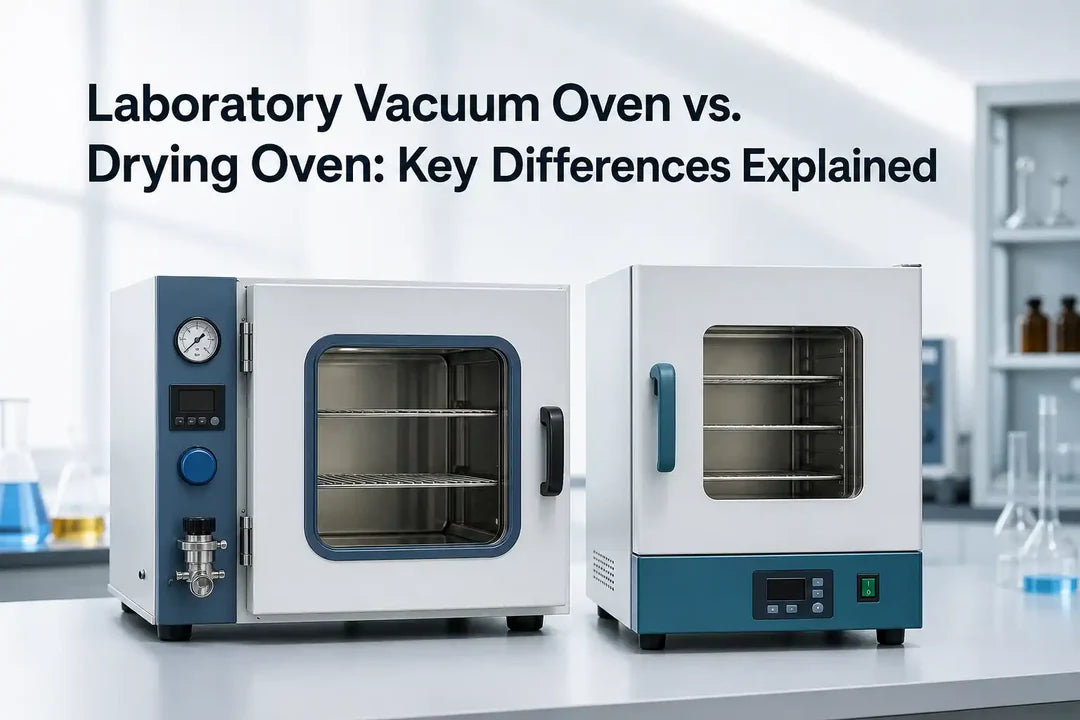
Choosing the right oven for your laboratory can significantly impact your research outcomes. A vacuum oven is ideal for heat-sensitive materials, allowing for gentle drying under reduced pressure, while a drying oven efficiently removes moisture from more robust substances at higher temperatures. Understanding these distinctions ensures you select the best equipment for your specific applications, enhancing both efficiency and results.
Table of Contents
- Introduction to Laboratory Ovens
- What is a Vacuum Oven?
- Typical Uses in Laboratories
- Materials Best Suited for Vacuum Ovens
- What is a Drying Oven?
- Common Applications of Drying Ovens
- Comparison of Drying Times for Various Materials
- Key Differences Between Vacuum Ovens and Drying Ovens
- Temperature Control and Range
- Pressure Conditions and Their Effects on Materials
- Energy Efficiency and Operational Costs
- Decision Rule for Selecting the Appropriate Oven
- Vacuum Oven Accessories
- Importance of Using the Right Accessories
- Common Vacuum Oven Accessories
- The Final Word on Your Oven Choice
- Key Differences Recap
Key Takeaways
- Laboratory ovens are essential for controlled heating processes, including drying, sterilizing, and curing materials.
- Vacuum ovens operate under low pressure, allowing for moisture removal at lower temperatures, making them ideal for heat-sensitive materials.
- Drying ovens utilize hot air circulation to evaporate moisture, typically functioning at higher temperatures suitable for robust materials.
- Common applications of vacuum ovens include drying biological samples, removing solvents, and preparing sensitive materials for analysis.
- In contrast, drying ovens are frequently used for drying glassware, performing moisture content analysis, and heat treating materials.
- When choosing an oven, consider the material's heat sensitivity; opt for a vacuum oven for delicate samples and a drying oven for more durable materials.
- Using appropriate accessories with vacuum ovens can enhance performance, ensure material compatibility, and improve time efficiency in laboratory processes.
Understanding the distinctions between a laboratory vacuum oven and a drying oven is crucial for laboratory professionals and researchers seeking to optimize their processes. Each type of oven serves unique functions and is suited to different applications, impacting efficiency and results. This article explores the fundamental characteristics of these ovens, their operational principles, and typical uses in laboratory settings.
Introduction to Laboratory Ovens
Laboratory ovens are essential tools in scientific research and industrial applications, designed to provide controlled environments for various heating processes. They are widely used for tasks such as drying, sterilizing, and curing materials. Understanding the specific functions of each type of oven can significantly enhance laboratory efficiency and outcomes.
Here’s a brief checklist of common applications for laboratory ovens:
- Drying heat-sensitive materials
- Sterilizing equipment and materials
- Testing material properties under controlled conditions
- Evaporating solvents from samples
- Conducting chemical reactions requiring precise temperature control
What is a Vacuum Oven?
A vacuum oven operates by creating a low-pressure environment, allowing for the removal of moisture and solvents from materials at lower temperatures. This method is particularly beneficial for heat-sensitive materials that might degrade or change properties when subjected to higher temperatures. By reducing the pressure, the boiling point of solvents decreases, facilitating a gentler drying process.
Typical Uses in Laboratories
Vacuum ovens are commonly employed in laboratories for:
- Drying biological samples, such as tissues or microorganisms, without compromising their integrity
- Removing solvents from chemical compounds or extracts
- Preparing samples for analysis by eliminating moisture
- Stabilizing sensitive materials that might react adversely to heat
Materials Best Suited for Vacuum Ovens
Some materials particularly well-suited for drying in a vacuum oven include:
- Pharmaceuticals and biological samples
- Polymers and resins
- Heat-sensitive chemicals
- Electronic components that require moisture removal
Using a vacuum oven can significantly improve the quality and consistency of results, especially when handling sensitive materials. The ability to control both temperature and pressure allows for precise adjustments tailored to specific drying needs, ensuring optimal outcomes in laboratory processes.
What is a Drying Oven?
A drying oven is a laboratory appliance designed to remove moisture from various materials through the application of controlled heat. It operates by circulating hot air around the materials, effectively evaporating moisture while maintaining a consistent temperature. The primary function of a drying oven is to facilitate the drying process for a variety of substances, making it a vital tool in many laboratory settings.
Common Applications of Drying Ovens
Drying ovens are utilized in a wide array of laboratory applications, including:
- Material Drying: Used for drying glassware, chemicals, and biological specimens.
- Sample Preparation: Prepares samples for testing, particularly in analytical chemistry.
- Moisture Content Analysis: Essential for determining the moisture content in food, pharmaceuticals, and materials.
- Heat Treatment: Provides controlled heating for curing or hardening materials.
Comparison of Drying Times for Various Materials
| Material | Typical Drying Time (hours) |
|---|---|
| Glassware | 1-2 |
| Chemicals | 2-4 |
| Biological Samples | 4-8 |
| Food Samples | 3-5 |
Key Differences Between Vacuum Ovens and Drying Ovens
When deciding between a laboratory vacuum oven and a drying oven, understanding their key differences is crucial for making an informed choice. Here are the primary distinctions:
Temperature Control and Range
Drying ovens typically operate at higher temperatures than vacuum ovens, which can be beneficial for certain materials. However, vacuum ovens allow for lower temperature drying, ideal for heat-sensitive materials. This is particularly important in applications involving delicate substances that may degrade or decompose at higher temperatures.
Pressure Conditions and Their Effects on Materials
The most notable difference lies in the pressure conditions under which each oven operates. A drying oven functions at atmospheric pressure, which can lead to longer drying times for heat-sensitive materials. In contrast, a vacuum oven operates under reduced pressure, significantly lowering the boiling point of moisture. This allows for faster drying times without risking damage to sensitive materials. For instance, materials like polymers and certain biological specimens benefit from the vacuum environment, as it helps maintain their integrity during the drying process.
Energy Efficiency and Operational Costs
Energy efficiency is another factor to consider. Vacuum ovens generally consume more energy due to the need for vacuum pumps and temperature control systems. However, they can offer savings in terms of reduced drying times, which may offset the higher initial energy costs. In contrast, drying ovens are typically less expensive to operate but may take longer to achieve the desired moisture content in certain materials.
Decision Rule for Selecting the Appropriate Oven
To assist in determining which oven to use, consider the following decision rule:
- If you are working with heat-sensitive materials, opt for a laboratory vacuum oven.
- If your primary need is to dry robust materials that can withstand higher temperatures, a drying oven may be sufficient.
- For applications requiring quick drying times and reduced moisture content, a vacuum oven is preferable.
- Assess your budget for energy costs; if low operational costs are a priority, a drying oven might be the better choice.
Understanding these differences and applications will help laboratory professionals and researchers choose the right oven for their specific needs. Whether you decide on a vacuum oven or a drying oven, having the right equipment is essential for achieving optimal results in your laboratory processes.
Vacuum Oven Accessories
When it comes to optimizing the performance of a laboratory vacuum oven, using the right accessories is crucial. These accessories not only enhance the efficiency of the oven but also ensure that the materials processed within are treated correctly. Below are some essential vacuum oven accessories that every laboratory should consider.
Importance of Using the Right Accessories
Using appropriate vacuum oven accessories can significantly impact the outcomes of your experiments and processes. The right accessories help maintain optimal conditions, ensure even heating, and prevent contamination of samples. Here are some reasons why selecting the right accessories is vital:
- Enhanced Performance: Accessories designed for vacuum ovens help achieve the desired temperature and pressure more effectively.
- Material Compatibility: Specific accessories are tailored to work with particular materials, ensuring they do not react negatively during the drying process.
- Time Efficiency: Proper accessories can reduce processing time, allowing for quicker results without compromising quality.
Common Vacuum Oven Accessories
Below is a checklist of must-have accessories for your laboratory vacuum oven:
- Vacuum Hose: Essential for connecting the oven to the vacuum pump, enabling the removal of air and moisture from the chamber.
- Vacuum Gauge: This accessory allows you to monitor the pressure inside the oven, ensuring that the correct vacuum level is maintained throughout the process.
- Sample Holders: Designed to securely hold samples in place, these holders can be customized based on the type and size of materials being processed.
- Insulation Kits: Help maintain temperature stability and reduce energy consumption by minimizing heat loss.
- Vacuum Valve Knobs: For example, the Vacuum/Vent Valve Knob for AT Series Vacuum Drying Ovens is compatible with specific models and enhances the control of airflow into and out of the oven.
The Final Word on Your Oven Choice
Ultimately, choosing between a vacuum oven and a drying oven can significantly affect your laboratory's efficiency and the quality of your results. While both types of ovens serve the purpose of drying materials, they do so under different conditions that can influence the integrity of sensitive samples.
As discussed, a vacuum oven operates at reduced pressure, ideal for heat-sensitive materials that might degrade or react adversely at higher temperatures. On the other hand, a drying oven functions well for more robust materials that can withstand standard atmospheric pressures and higher temperatures. Understanding these differences is crucial for making an informed decision.
Key Differences Recap
| Feature | Vacuum Oven | Drying Oven |
|---|---|---|
| Temperature Control | Lower temperatures, ideal for heat-sensitive materials | Higher temperatures for general drying |
| Pressure Conditions | Operates under vacuum conditions | Operates at atmospheric pressure |
| Energy Efficiency | More energy-efficient for sensitive materials | Higher energy consumption due to standard conditions |
In making your decision, consider the type of materials you will be using and their specific requirements. If you often work with delicate samples, a laboratory vacuum oven is likely the better choice. However, for more resilient materials, a drying oven may suffice.
This decision-making process can be streamlined by following a simple flowchart that guides you based on the type of materials you have and the desired outcomes. By taking into account the operational principles and applications of each oven type, you can ensure that your laboratory is equipped to handle your specific needs effectively.
Remember, the right choice of oven and its accessories can make a world of difference in your laboratory's productivity and the quality of your results. Whether you lean towards a vacuum oven or a drying oven, the key is to equip yourself with the knowledge and tools necessary for success in your experiments.
Frequently Asked Questions
1. What is the main function of a laboratory vacuum oven?
2. What are the typical uses of drying ovens in laboratories?
3. How do vacuum ovens and drying ovens differ in temperature control?
4. What factors should be considered when choosing between a vacuum oven and a drying oven?
5. What accessories are essential for optimizing a vacuum oven's performance?
Glossary
| Term | Meaning |
|---|---|
| Laboratory Oven | A device providing controlled heating environments for various laboratory processes. |
| Vacuum Oven | An oven that operates under low pressure to dry heat-sensitive materials at lower temperatures. |
| Drying Oven | A device that removes moisture from materials using hot air circulation at atmospheric pressure. |
| Moisture Content Analysis | A method for determining the water content in various materials, crucial for quality control. |
| Energy Efficiency | A measure of how effectively an oven uses energy relative to its performance and output. |
| Sample Holders | Accessories that secure samples in place during the drying process to ensure even treatment. |
| Vacuum Gauge | A tool used to monitor the pressure inside a vacuum oven, ensuring optimal conditions. |
| Heat Treatment | A process involving controlled heating to cure or harden materials in laboratory settings. |
| Insulation Kits | Accessories that help maintain temperature stability and reduce energy loss in ovens. |
| Temperature Control | The ability to regulate the heating levels within an oven to suit specific material needs. |
Linked Product

Vacuum\/Vent Valve Knob for AT Series Vacuum Drying Ovens
The Vacuum/Vent Valve Knob is designed specifically for AT series vacuum drying ovens, ensuring compatibility with their stainless steel vacuum and vent ports. With an inside diameter of 24.23 mm and an outside diameter of 47.73 mm, this knob provides precise control for efficient operation. Its reliable design supports optimal performance during drying processes in laboratory settings.
View Product