
Overview
This article explores various extraction methods in the biotechnology industry, comparing traditional techniques like maceration and percolation with modern methods such as supercritical fluid extraction and ultrasonic extraction. It highlights the importance of factors like solvent choice, temperature, and time on extraction efficiency, and emphasizes advanced technologies like vacuum pumps and laboratory vacuum ovens that enhance these processes. The future trends include green extraction techniques, automation, and nanotechnology, all aimed at improving efficiency and sustainability in biotech extraction.
Table of Contents
- Understanding Extraction Methods
- Traditional Extraction Techniques
- Modern Extraction Techniques
- Factors Influencing Extraction Efficiency
- Solvent Choice
- Temperature and Pressure
- Time Efficiency
- Highlighting Advanced Technologies
- Laboratory Vacuum Oven
- Vacuum Pump for Chemistry
- Comparing Extraction Methods
- Efficiency and Yield
- Scalability
- Cost-Effectiveness
- Choosing the Right Extraction Method
- Future Trends in Extraction Methods
- Power Lab Supply’s Commitment to Excellence
- Parting Thoughts: The Future of Extraction in Biotech
Key Takeaways
- Extraction methods are critical for isolating and purifying compounds from biological sources, directly impacting yield and quality.
- Traditional methods like maceration and percolation are simple but often require longer times and can degrade sensitive compounds.
- Modern techniques such as Supercritical Fluid Extraction (SFE) and Ultrasonic Extraction yield higher quality products more efficiently.
- Factors affecting extraction efficiency include solvent choice, temperature, pressure, and extraction time, all of which must be optimized.
- Advanced technologies, including laboratory vacuum ovens and vacuum pumps, enhance extraction processes by preserving compound integrity and increasing efficiency.
- Scalability and cost-effectiveness are crucial considerations when choosing extraction methods, with modern techniques often providing better long-term value.
- Emerging trends in extraction methods include a focus on green techniques, automation, and the use of nanotechnology to improve efficiency.
The biotechnology industry is an ever-evolving landscape where precision, efficiency, and innovation collide. One of the critical elements in biotechnology processes is extraction methods, which directly influence the yield and quality of the desired products. As we delve into the comparative analysis of extraction methods utilized in the biotech industry, it's essential to understand the nuances that differentiate each technique. We'll explore a range of methods, their applications, benefits and drawbacks, and how advancements like the vacuum pump for chemistry and laboratory vacuum oven play pivotal roles in enhancing these processes.
Understanding Extraction Methods
Extraction methods are essential for isolating and purifying compounds from various biological sources such as plants, microbes, and animal tissues. These methods can vary significantly in complexity and efficiency, and they are classified mainly into two categories: traditional and modern extraction techniques.
Traditional Extraction Techniques
Traditional extraction methods have been around for centuries and include simple processes like maceration and percolation. While these methods are straightforward, they often require longer extraction times and may lead to the degradation of sensitive compounds.
- Maceration: This involves soaking plant materials in a solvent at room temperature for a period. The solvent penetrates the plant tissues, dissolving the soluble constituents.
- Percolation: A more advanced form of maceration where the solvent moves through the plant material gradually extracting the desired compounds.
Modern Extraction Techniques
Modern extraction techniques have branched out from traditional methods and have been enhanced with the help of technology. These methods often yield higher quality products in shorter periods, and they include:
- Supercritical Fluid Extraction (SFE): Utilizes supercritical fluids, often CO2, as solvents, offering a greener option with minimal solvent residue.
- Ultrasonic Extraction: Uses ultrasonic waves to increase the efficiency of solvent penetration into plant cells, leading to higher yield.
- Microwave-Assisted Extraction: Employs microwave energy to heat the solvent and plant material, resulting in quicker extraction times.
Factors Influencing Extraction Efficiency
Several factors impact the efficiency of extraction methods, including solvent choice, temperature, pressure, and extraction time. Understanding these factors is crucial for optimizing the extraction process and is where instruments like the laboratory vacuum oven and vacuum pump for chemistry become vital.
Solvent Choice
The choice of solvent is fundamental to the extraction process, as it dictates the solubility of the target compounds. Polar solvents generally extract polar compounds, whereas non-polar solvents are more effective for non-polar substances. A tailored approach, considering the chemical nature of the target compounds, will yield the best outcomes.
Temperature and Pressure
Temperature and pressure play critical roles in extraction efficiency. Increased temperatures can increase solubility but may also degrade heat-sensitive compounds. Similarly, elevating pressure, particularly in SFE, can modify the solubility of compounds within supercritical fluids, enhancing the extraction process.
Time Efficiency
Time is often a trade-off in extraction methods. Traditional techniques tend to require longer periods, while modern methods have been designed to minimize extraction times without compromising the quality of the end product.
Highlighting Advanced Technologies
In the contemporary biotech environment, advanced technologies are essential in refining extraction methodologies. Notable instruments include the vacuum pump for chemistry and laboratory vacuum oven, which enhance extraction processes significantly.
Laboratory Vacuum Oven
A laboratory vacuum oven is utilized extensively in the extraction process to remove solvents or moisture from products without applying excessive heat. This technology is particularly beneficial in preserving the integrity of thermolabile compounds.
- Benefits: Utilization of lower temperatures helps maintain compound stability and quality.
- Applications: Ideal for drying extracts or removing solvents post-extraction.
Vacuum Pump for Chemistry
A vacuum pump is paramount in various extraction processes, particularly in reducing boiling points through vacuum application. This function allows for more efficient solvent evaporation and extraction, thus preserving the desired compounds.
- Benefits: Enhances extraction efficiency and reduces the likelihood of thermal degradation of sensitive compounds.
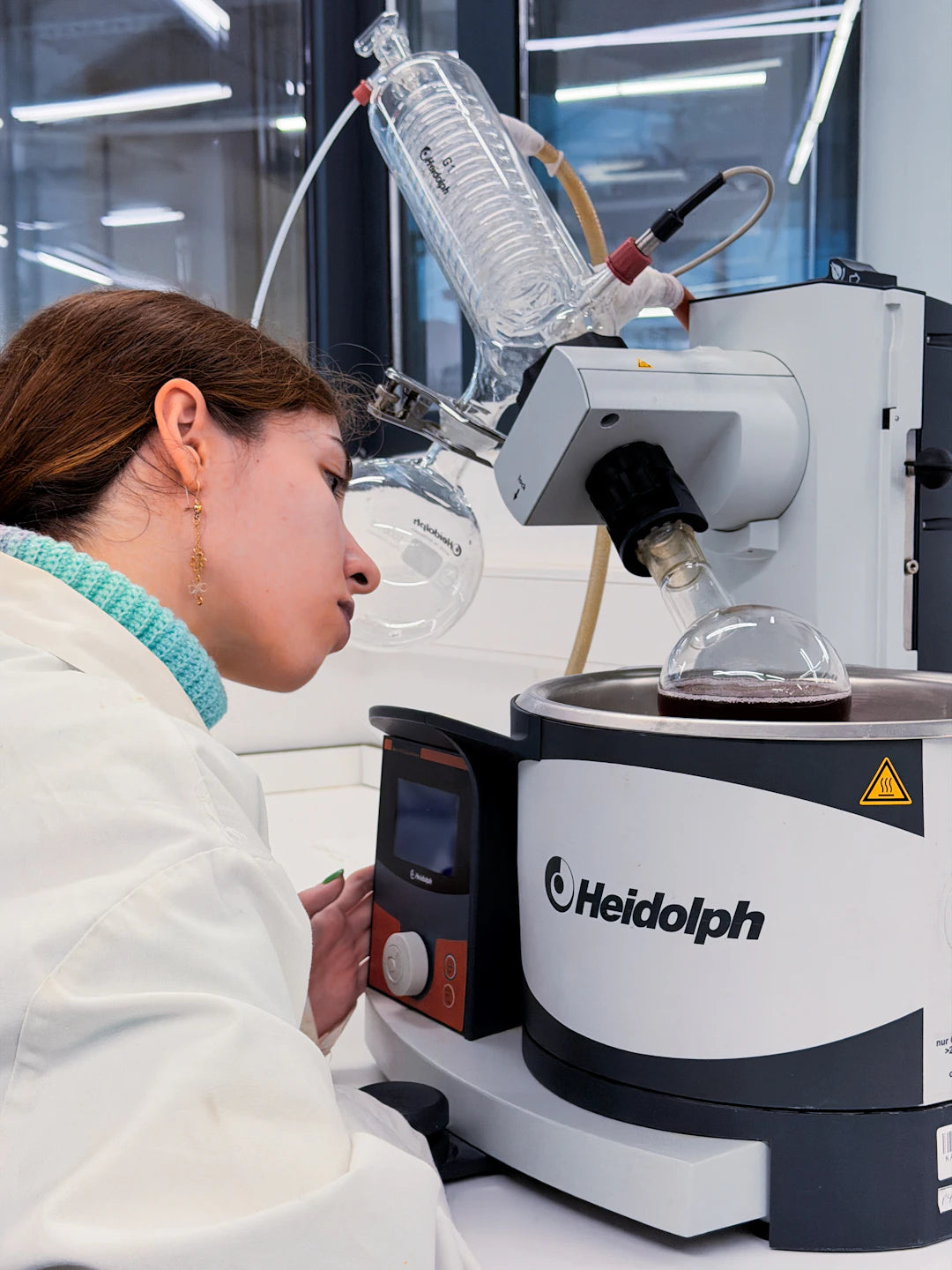
- Applications: Effective in rotary evaporation and as part of larger extraction systems.
Comparing Extraction Methods
Now that we have established a foundational understanding of various extraction methodologies, let’s compare these methods based on critical factors:
Efficiency and Yield
Modern techniques like SFE and ultrasonic extraction generally offer higher efficiency and yield compared to traditional methods. For instance, SFE can extract compounds more effectively in a shorter time frame, while traditional methods may fall short in complex matrices.
Scalability
Scalability is a significant consideration, especially for commercial applications in the biotech industry. Modern extraction techniques are designed for scalability, allowing larger volumes to be processed without significant loss in quality. Traditional methods may not be as adaptable for large-scale operations.
Cost-Effectiveness
While some modern extraction techniques may have higher initial costs due to equipment needs, the overall cost-effectiveness tends to improve due to higher yields and lower processing times. Conversely, traditional methods may incur lower upfront costs but may require more time and resources, which can escalate expenses.
Choosing the Right Extraction Method
Choosing the appropriate extraction method depends on several factors, including:
- Target Compounds: The chemical nature of the target compound should drive the method selection.
- Desired Purity: Consider the end purity requirements of the extracted compound to select the most effective method.
- Cost and Time Limitations: Assessing budget and time constraints can help determine suitable methods.
Future Trends in Extraction Methods
As the biotech industry continues to innovate, there are several emerging trends in extraction methods to watch:
- Green Extraction Techniques: Increased focus on environmentally friendly solvents and methods that minimize waste.
- Automation: Greater integration of automation in extraction processes to improve efficiency and reproducibility.
- Nanotechnology: Utilizing nanomaterials to enhance extraction efficiency and compound selectivity.
Power Lab Supply’s Commitment to Excellence
At Power Lab Supply, we understand the critical role that extraction methods play in the biotechnology industry. Our dedication to providing high-quality lab equipment ensures that our clients can maximize their extraction processes. Whether enhancing extraction yields through a vacuum pump for chemistry or improving drying efficiencies with a laboratory vacuum oven, we are committed to supporting your research and industrial needs. Explore our extensive range of laboratory solutions, designed for both efficiency and effectiveness — because your success is our priority.
Parting Thoughts: The Future of Extraction in Biotech
The biotechnology industry's extraction methods are continuously evolving, fueled by technological advancements and growing demands for higher efficiency and sustainability. The comparative analysis of traditional and modern techniques showcases the importance of innovation in achieving superior extraction outcomes. Embracing cutting-edge technologies like the vacuum pump for chemistry and the laboratory vacuum oven will ensure you stay ahead in this dynamic field. As we move forward, let us harness these incredible tools to unlock the secrets of biology, creating breakthroughs that improve our world.
Frequently Asked Questions
1. What are extraction methods in biotechnology?
2. What are traditional extraction techniques?
3. What advantages do modern extraction techniques offer?
4. How do temperature and pressure affect extraction efficiency?
5. What role do advanced technologies play in extraction methods?
Glossary
| Term | Meaning |
|---|---|
| Extraction Methods | Processes to isolate and purify compounds from biological sources. |
| Maceration | Soaking plant materials in solvent to dissolve soluble constituents. |
| Percolation | Advanced maceration where solvent gradually extracts compounds. |
| Supercritical Fluid Extraction (SFE) | Uses supercritical fluids as solvents for efficient extraction. |
| Ultrasonic Extraction | Employs ultrasonic waves to enhance solvent penetration in plant cells. |
| Laboratory Vacuum Oven | Removes solvents or moisture without excessive heat, preserving compounds. |
| Vacuum Pump for Chemistry | Reduces boiling points to enhance solvent evaporation and extraction. |
| Green Extraction Techniques | Focus on environmentally friendly solvents and methods. |
| Scalability | Ability to process larger volumes without losing quality. |
| Cost-Effectiveness | Comparison of method costs versus yields and processing times. |
Linked Product

Welch MPC 303 Z Chemical Resistant 1.3 CFM 5 Torr Oil Free Diaphragm Pump
The Welch MPC 303 Z Chemical Resistant Diaphragm Pump is designed for versatility in chemical applications, offering an oil-free operation that ensures a clean work environment and contamination-free gas pumping. With optimized diaphragm design for improved flow and efficiency, it can handle a wide range of solvent and acid vapors, making it ideal for evaporation tasks in laboratory settings. Its compact and lightweight design allows for easy placement and quiet operation, enhancing the user experience in various applications such as rotary evaporators and vacuum concentrators.
View Product