
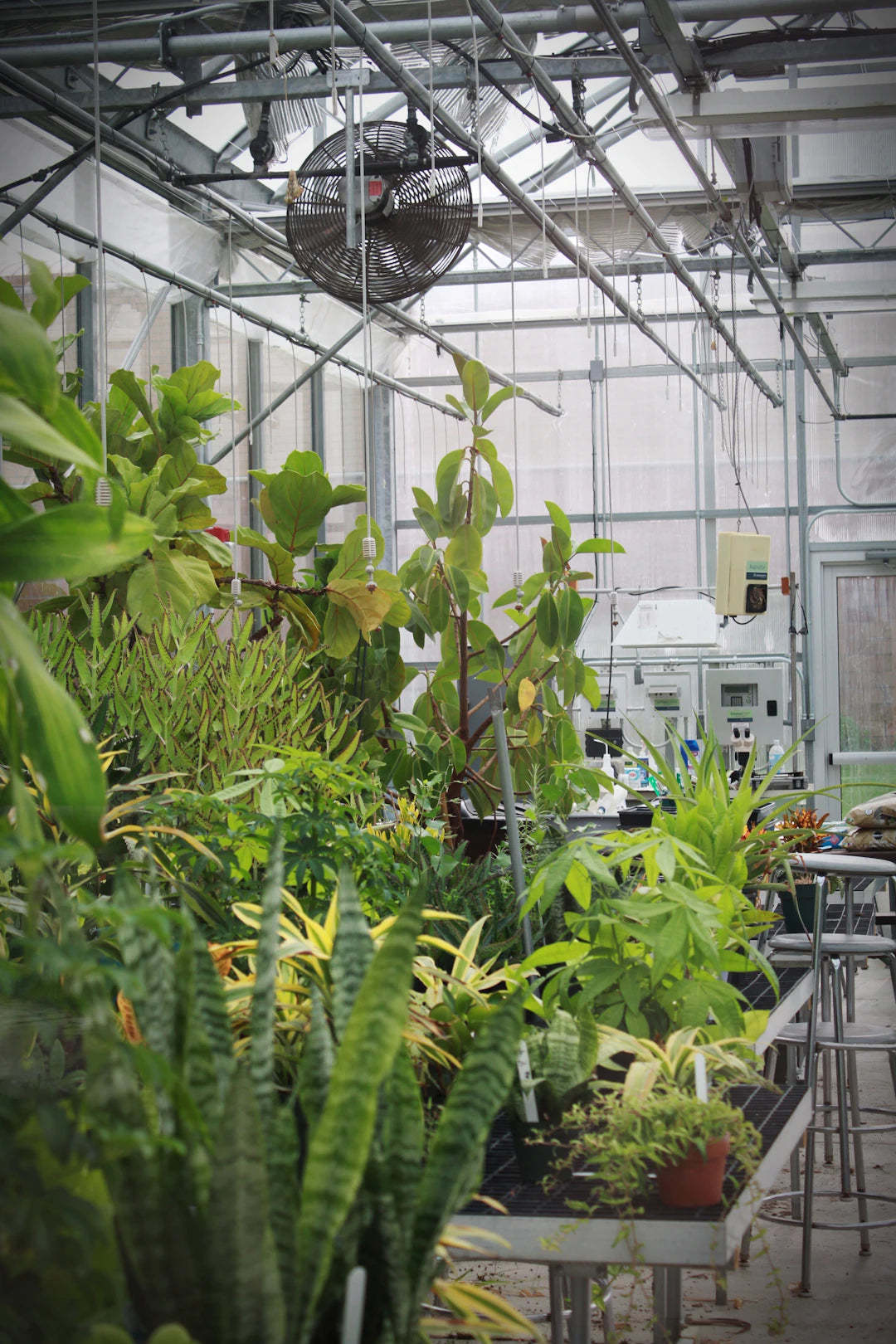
Overview
Biotechnology is revolutionizing botanical research by improving plant health, enabling advanced breeding techniques, and introducing innovative tools like glass valves and laboratory ovens. Key applications include genomics, tissue culture, and genetic engineering, which enhance agricultural practices and sustainability. Despite challenges such as regulatory hurdles and public perception, the future holds promise for breakthroughs that can address food security and environmental concerns. Engaging with these advancements is essential for fostering sustainable practices and collaborative research.
Table of Contents
- Understanding Biotechnology in Botanical Research
- The Role of Genomics and Plant Breeding
- Plant Tissue Culture Techniques
- Applications of Biotechnology in Botany
- Leveraging Advanced Tools and Equipment
- Glass Valves for Evaporators
- Laboratory Ovens: The Unsung Heroes
- Innovative Techniques Fueling Botanical Discoveries
- Challenges in Biotech and Botanical Research
- Future Directions and Innovations
- A Focus on Sustainability
- Your Role in the Biotech Revolution
- Embracing the Future of Botanical Research
Key Takeaways
- Biotechnology revolutionizes botanical research by enhancing our understanding of plant biology and offering innovative agricultural practices.
- Genomics plays a key role in identifying genetic markers for traits like pest resistance and drought tolerance, facilitating advanced plant breeding.
- Plant tissue culture techniques enable the growth of plant tissues in controlled environments, aiding in the conservation of rare species and mass production of disease-free plants.
- Advanced tools such as glass valves for evaporators and laboratory ovens are essential for precise experimentation and data reproducibility in botanical research.
- Innovative techniques like CRISPR/Cas9 gene editing and metabolomics are reshaping the future of plant research, allowing for targeted modifications and better understanding of plant health.
- Challenges such as regulatory hurdles and public perception can impede the progress of biotechnology in botanical research, necessitating responsible advocacy and education.
- Sustainability is a primary focus in biotechnology, promoting practices that reduce ecological stress and enhance biodiversity in agricultural systems.
In the ever-evolving world of science, biotechnology stands out as a game-changer in various fields, including botanical research. The intricate relationship between plants and biotechnology is transforming our understanding of flora, offering new avenues for exploration and discovery. This guide delves into the innovative applications of biotechnology in botanical settings, illuminating how tools and technologies such as glass valves for evaporators and laboratory ovens are enhancing research methodologies.
Understanding Biotechnology in Botanical Research
Biotechnology involves using living systems and organisms to develop or create new products. In botanical research, this means looking at plant biology to innovate agricultural practices, improve plant health, and develop new plant-based products. Researchers harness various aspects of biotechnology to understand genetic makeup, enhance plant traits, and even conduct cellular experiments that offer groundbreaking insights.
The Role of Genomics and Plant Breeding
One of the core applications of biotechnology in botanical research is genomics—the study of an organism's genes and their functions. With genome sequencing and bioinformatics, researchers can identify genetic markers associated with desirable traits such as pest resistance, drought tolerance, and yield improvement. This information facilitates plant breeding, enabling scientists to produce advanced hybrids and cultivars more efficiently.
Plant Tissue Culture Techniques
Another vital area where biotechnology impacts plant research is through plant tissue culture. This technique allows for the cultivation of plant cells in a controlled environment. Using a laboratory oven for optimal temperature control, researchers can promote the growth of plant tissues and regenerate whole plants from single cells or tissues. This method not only conserves rare species but also aids in the mass production of disease-free plants.
Applications of Biotechnology in Botany
Biotechnology's influence extends beyond genomics and tissue culture. Various applications enrich botanical research, including:
- Genetic Engineering: Modified organisms can display traits that enhance agricultural productivity or environmental resilience.
- Micropropagation: An efficient method to propagate plants using small tissue samples, ensuring high survival rates.
- Biosensors: Tools that can detect biological compounds, enabling better monitoring of plant health and environmental conditions.
- Bioinformatics: Utilizing data analysis to interpret complex biological data, unlocking new insights into plant genetics.
Leveraging Advanced Tools and Equipment
The implementation of biotech applications in botanical research is not without its high-tech tools and equipment, which play pivotal roles in achieving precise results. Two essential items in many laboratories are glass valves for evaporators and laboratory ovens. These tools are fundamental in conducting rigorous experiments and analyses.
Glass Valves for Evaporators
Glass valves for evaporators are vital in concentrating plant extracts or essential oils. By controlling evaporation rates and maintaining integrity, these valves ensure efficient procedures in phytochemical extractions, which are crucial for studying secondary metabolites in plants. The precise control offered by glass valves contributes to the reproducibility of results, which is essential in botanical research. This precision directly influences the quality of the data obtained through various experiments.
Laboratory Ovens: The Unsung Heroes
Laboratory ovens are essential for providing a stable heating environment, crucial for the success of many experiments in plant research. They allow researchers to dry samples, sterilize equipment, and incubate cultures under consistent temperatures. This consistency is vital for experiments that require precise thermal conditions, ensuring that variables don’t alter test outcomes. Understanding the importance of temperature management can greatly enhance the quality of research data collected over time.
Innovative Techniques Fueling Botanical Discoveries
Biotechnology continues to advance, introducing innovative techniques that are reshaping botanical research. Some breakthrough methods include:
- CRISPR/Cas9 Gene Editing: This revolutionary tool allows for targeted genetic modifications in plants, opening pathways to create crops that can withstand changing climate conditions.
- RNA Interference: This technique helps in silencing specific genes, which can lead to the production of plants with desirable characteristics such as improved flowering or fruiting habits.
- Metabolomics: The study of metabolites within plants aids in understanding plant health and can lead to advancements in agricultural practices.
Challenges in Biotech and Botanical Research
Despite the many advantages, several challenges persist in the field of biotechnology applied to botanical research. These challenges include:
- Regulatory Hurdles: Navigating the complex regulations surrounding genetically modified organisms can slow down research and development efforts.
- Ethical Concerns: The manipulation of plant genomes raises ethical questions about the long-term impact on ecosystems and biodiversity.
- Public Perception: Misinformation around biotech products can lead to public resistance, complicating deployment and acceptance of new technologies.
Future Directions and Innovations
The future of botanical research through biotechnology looks vibrant and full of promise. The integration of cutting-edge technologies, like artificial intelligence and machine learning, is expected to refine plant breeding efforts and accelerate discovery processes. Furthermore, biotechnological advancements will likely enhance sustainable agriculture practices, addressing food security concerns in a changing environment.
A Focus on Sustainability
Sustainability has become a critical focal point in botanical research. There is a pressing need for biotechnological applications that facilitate sustainable practices, reduce agricultural stress on ecosystems, and promote biodiversity. Companies and researchers worldwide are uniting specialized skills in biotechnology to create plant varieties that require fewer resources, resist pests naturally, and adapt to climate instability.
Your Role in the Biotech Revolution
The innovations emerging from biotechnology in botanical research cannot happen in isolation. As a member of the scientific community or enthusiast, your role is crucial in fostering collaboration, advocating for responsible research, and participating in educational initiatives that enhance public understanding of these technologies. By staying informed and supporting responsible advancements in biotechnology, you help shape the future landscape of agricultural research and environmental conservation.
Embracing the Future of Botanical Research
As we stand at the intersection of biotechnology and botanical research, the potential for groundbreaking discoveries is immense. The innovations discussed in this article not only offer a glimpse into the transformative power of research but also highlight the importance of integrating technology with our understanding of plants. The synergy between laboratory equipment, like glass valves for evaporators and sophisticated laboratory ovens, and the pioneering research techniques will undoubtedly pave the way for a greener, more sustainable future.
By engaging with these advancements, contributing to ongoing research, and advocating for sustainable practices, we collectively help define a new era of botanical exploration. Join in this biotech revolution, and together we can cultivate a brighter future for both plants and the planet.
Frequently Asked Questions
1. What is the role of biotechnology in botanical research?
2. How does genomics contribute to plant breeding?
3. What techniques are used in plant tissue culture?
4. What challenges does biotechnology face in botanical research?
5. How is sustainability addressed in future biotechnology applications?
Glossary
| Term | Meaning |
|---|---|
| Biotechnology | The use of living systems to develop new products. |
| Genomics | The study of genes and their functions. |
| Plant Tissue Culture | A method to grow plant cells in a controlled environment. |
| Genetic Engineering | Modifying organisms to enhance traits for agriculture. |
| Micropropagation | A technique for propagating plants from small tissue samples. |
| Biosensors | Tools for detecting biological compounds in plants. |
| Bioinformatics | The analysis of biological data to gain insights. |
| CRISPR/Cas9 | A gene-editing tool for targeted modifications in plants. |
| RNA Interference | A technique to silence specific genes in plants. |
| Metabolomics | The study of metabolites to understand plant health. |
Linked Product

Ai 2L SolventVap Rotary Evaporator Glass Feeding Tube w/ Valve
The Ai 2L SolventVap Rotary Evaporator Glass Feeding Tube is designed for use with Ai SolventVap SE05 and 2L series rotary evaporators. Made from high borosilicate glass 3.3, it features a valve for precise control during solvent evaporation processes. This component enhances the efficiency and effectiveness of botanical research applications.
View Product