
Overview
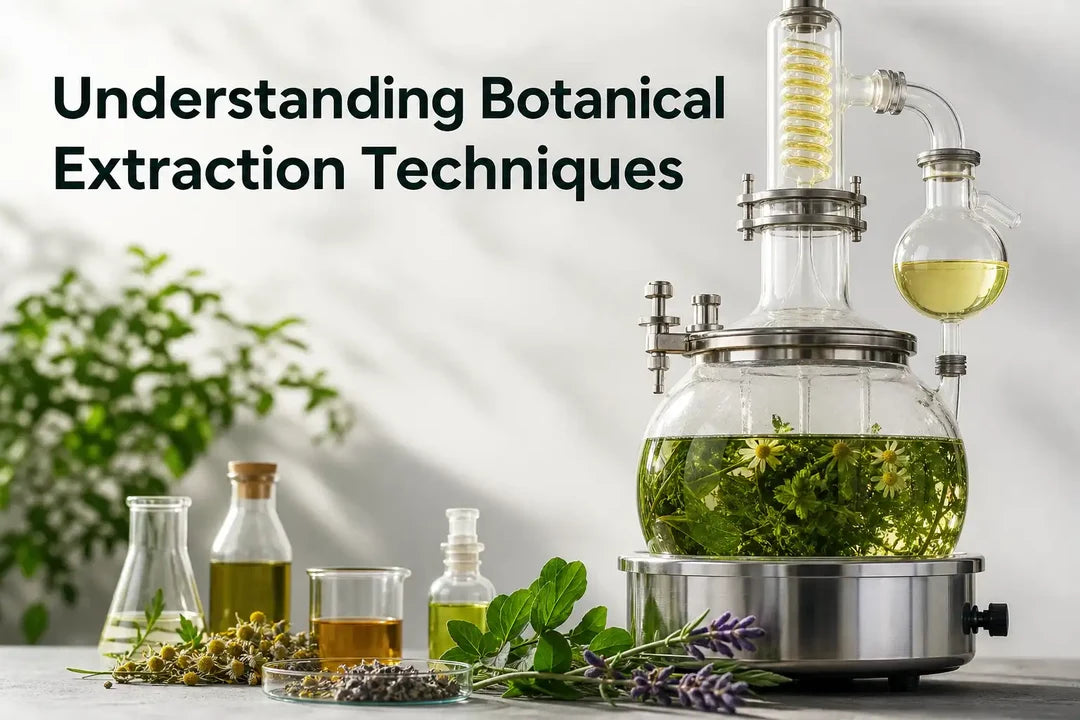
This article provides a comprehensive overview of botanical extraction, detailing its significance across various industries such as food, cosmetics, and pharmaceuticals. Readers will learn about different extraction methods, including solvent extraction and CO2 extraction, as well as the role of 190 proof wheat alcohol in the process. Additionally, the article highlights safety considerations, compliance with regulations, and emerging trends in extraction technology, equipping readers with essential knowledge for effective and responsible extraction practices.
Table of Contents
- Introduction to Botanical Extraction
- What is Botanical Extraction?
- Importance in Various Industries
- Overview of Common Extraction Methods
- Common Extraction Techniques
- Solvent Extraction
- Steam Distillation
- Cold Pressing
- CO2 Extraction
- Comparison of Extraction Methods
- The Role of 190 Proof Wheat Alcohol in Extraction
- Characteristics of 190 Proof Wheat Alcohol
- Benefits of Using High-Proof Alcohol in Extraction
- Safety Considerations When Using Alcohol
- Step-by-Step Guide on How to Use 190 Proof Wheat Alcohol for Extraction
- Vacuum Oven Techniques for Botanical Extraction
- How Vacuum Ovens Enhance Extraction Efficiency
- Temperature Control and Its Importance
- Applications of Vacuum Ovens in Botanical Extraction
- Decision Rule for When to Use a Vacuum Oven
- Safety and Compliance in Botanical Extraction
- Understanding Safety Protocols
- Compliance with Local Regulations
- Importance of Proper Labeling and Storage
- Future Trends in Botanical Extraction
- Innovations in Extraction Technology
- Sustainability Considerations
- Market Demand for Botanical Extracts
- Forecasting Future Trends
Key Takeaways
- Botanical extraction is essential for isolating active compounds from plants, used in industries like cosmetics, food, and pharmaceuticals.
- Common extraction methods include solvent extraction, steam distillation, cold pressing, and CO2 extraction, each with unique advantages and limitations.
- 190 proof wheat alcohol is a highly effective solvent for extraction, offering high purity and minimal residue in final products.
- Vacuum ovens enhance extraction efficiency by allowing for lower temperature extractions, preserving sensitive compounds and improving yield.
- Safety protocols are crucial during extraction, including proper ventilation, use of personal protective equipment, and compliance with local regulations.
- Sustainability trends are influencing extraction practices, with a focus on eco-friendly solvents and energy-efficient methods.
- Market demand for botanical extracts is growing, driven by consumer preferences for natural and functional ingredients in health and wellness products.
Introduction to Botanical Extraction
Botanical extraction is a vital process that involves isolating active compounds from plant materials to create concentrated oils, extracts, and other products. This technique holds significance across various industries, including food and beverage, cosmetics, and pharmaceuticals. By utilizing different extraction methods, manufacturers can obtain high-quality botanical extracts that enhance the flavor, aroma, and therapeutic properties of their products.

What is Botanical Extraction?
At its core, botanical extraction refers to the process of separating essential compounds from plant materials. These compounds can include volatile oils, flavonoids, and other beneficial phytochemicals. The extraction process is crucial for producing items like essential oils, tinctures, and herbal supplements.
Importance in Various Industries
Different industries rely on botanical extracts for various applications:
- Cosmetics: Botanical extracts are used in skincare products for their nourishing and therapeutic properties.
- Food and Beverage: Flavor and aroma compounds extracted from plants enhance the taste and quality of food products.
- Pharmaceuticals: Many medications are derived from plant compounds, making extraction essential for drug development.
Overview of Common Extraction Methods
Choosing the right extraction method is crucial to achieving the desired quality and yield of botanical extracts. Here’s a checklist of factors to consider:
- Type of Plant Material: Different plants require different extraction techniques.
- Desired Compounds: Identify which compounds you want to extract (oils, flavors, etc.).
- Solvent Compatibility: Ensure the solvent used is safe and effective for the extraction process.
- Cost-Effectiveness: Analyze the cost of extraction methods relative to the intended market value of the extracts.
- Regulatory Compliance: Adhere to safety and regulatory standards relevant to the extraction process.
Common Extraction Techniques
There are several commonly used extraction techniques in the industry, each with its own advantages and disadvantages. Understanding these methods can help you choose the best approach for your needs.
Solvent Extraction
Solvent extraction is a popular method that uses a solvent, such as alcohol, to dissolve the desired compounds from plant materials. This method is effective for extracting a wide range of compounds.
- Pros: High yield, effective for a variety of compounds.
- Cons: Requires careful handling of solvents, potential residual solvents in the final product.
Steam Distillation
Steam distillation is widely used for extracting essential oils. In this method, steam passes through plant material, vaporizing the volatile compounds. The vapor is then condensed back into liquid form.
- Pros: Produces pure essential oils, gentle on plant materials.
- Cons: Limited to volatile compounds; non-volatile compounds are not extracted.
Cold Pressing
Cold pressing is specifically used for extracting oils from citrus fruits. The method involves mechanically pressing the fruit to release the oil without applying heat.
- Pros: Retains the natural flavor and aroma of the fruit.
- Cons: Limited to certain types of fruits, lower yield compared to other methods.
CO2 Extraction
CO2 extraction uses carbon dioxide under high pressure to extract compounds from plant material. This method is gaining popularity due to its ability to produce high-quality extracts without residual solvents.
- Pros: Produces high-quality extracts, environmentally friendly.
- Cons: Requires expensive equipment, more complex process.
Comparison of Extraction Methods
| Extraction Method | Pros | Cons |
|---|---|---|
| Solvent Extraction | High yield, versatile | Potential residuals, safety concerns |
| Steam Distillation | Pure extracts, gentle | Limited to volatile compounds |
| Cold Pressing | Natural flavor, aroma | Limited to certain fruits |
| CO2 Extraction | High-quality, eco-friendly | Expensive equipment |
By understanding these extraction techniques and their respective advantages and limitations, you can make informed decisions about which method best suits your extraction needs. Whether you are using 190 proof wheat alcohol for solvent extraction or exploring advanced techniques like CO2 extraction, each method offers unique benefits that can enhance the quality of your botanical extracts.
The Role of 190 Proof Wheat Alcohol in Extraction
190 proof wheat alcohol, a neutral grain spirit, is a versatile and effective solvent in the world of botanical extraction. Its high alcohol content makes it an ideal choice for extracting essential oils, flavors, and other beneficial compounds from various plant materials.
Characteristics of 190 Proof Wheat Alcohol
This food-grade alcohol, made from wheat, is highly purified and has a neutral flavor profile. Here are some key characteristics:
- High Purity: At 95% alcohol by volume, it provides a clean extraction without unwanted flavors.
- Versatility: Suitable for a variety of plant materials, making it a go-to option for many extractors.
- Compliance: Conforms to EU Regulation 2018/848, ensuring it meets safety and quality standards.
Benefits of Using High-Proof Alcohol in Extraction
Utilizing 190 proof wheat alcohol in extraction processes offers several advantages:
- Efficiency: The high alcohol content allows for quicker extraction of desired compounds, reducing processing time.
- Enhanced Solubility: It effectively dissolves a wide range of compounds, including oils and other phytochemicals.
- Minimal Residue: Leaves behind little to no residue, making the final product cleaner and more palatable.
Safety Considerations When Using Alcohol
While 190 proof wheat alcohol is effective, safety should always be a priority. Here are some essential safety tips:
- Proper Ventilation: Ensure the extraction area is well-ventilated to avoid inhalation of vapors.
- Flammability: Handle with care, as high-proof alcohol is highly flammable. Keep away from open flames and heat sources.
- Storage: Store alcohol in a cool, dark place in a properly labeled container to prevent accidents.
Step-by-Step Guide on How to Use 190 Proof Wheat Alcohol for Extraction
Follow these steps for a successful extraction using 190 proof wheat alcohol:
- Prepare Your Plant Material: Start by shredding your botanical material to increase surface area.
- Combine with Alcohol: Place the shredded material in a clean glass container and cover it with 190 proof wheat alcohol, ensuring all material is submerged.
- Infusion Time: Seal the container and let it sit for a period ranging from 24 hours to 2 weeks, shaking occasionally to agitate the mixture.
- Strain the Mixture: After the infusion period, strain the mixture through a fine mesh or cheesecloth to separate the liquid extract from the plant material.
- Evaporation (Optional): If desired, gently heat the extract in a well-ventilated area to evaporate some alcohol, concentrating the extract further.
Vacuum Oven Techniques for Botanical Extraction
Vacuum ovens are an innovative tool in botanical extraction, offering unique advantages that enhance the efficiency and quality of the extraction process.
How Vacuum Ovens Enhance Extraction Efficiency
By applying a vacuum, these ovens lower the boiling point of solvents, allowing for effective extraction at lower temperatures. This is particularly beneficial for sensitive compounds that may degrade under high heat.
Temperature Control and Its Importance
Maintaining precise temperature control during extraction is crucial. Vacuum ovens allow for consistent temperature settings, which helps to:
- Preserve Compounds: Sensitive compounds remain intact, providing a more aromatic and flavorful extract.
- Reduce Degradation: Lower temperatures minimize the risk of thermal degradation of botanical components.
- Improve Yield: Enhanced extraction efficiency can lead to higher yields of desired compounds.
Applications of Vacuum Ovens in Botanical Extraction
Vacuum ovens are suitable for various extraction methods, including:
- Solvent Evaporation: Efficiently remove solvents from extracts without compromising quality.
- Decarboxylation: Activate compounds in plant materials through controlled heating.
- Drying Extracts: Quickly dry botanical extracts while preserving their chemical integrity.
Decision Rule for When to Use a Vacuum Oven
When deciding whether to employ a vacuum oven in your extraction process, consider the following:
| Situation | Use Vacuum Oven? |
|---|---|
| Extracting sensitive compounds | Yes |
| High yield desired | Yes |
| Simple solvent evaporation | No |
Understanding the role of 190 proof wheat alcohol and vacuum ovens in extraction can significantly enhance your extraction processes, leading to higher quality products and improved efficiency. Each method has its own set of advantages, making it essential to choose the right technique for your specific needs.
Safety and Compliance in Botanical Extraction
When delving into the world of botanical extraction, understanding safety measures and regulatory compliance is paramount. Whether you are an individual enthusiast or a commercial entity, adhering to safety protocols can prevent accidents and ensure the quality of your extracts.
Understanding Safety Protocols
Safety protocols revolve around minimizing risks during the extraction process. Here are key safety measures to consider:
- Personal Protective Equipment (PPE): Always wear appropriate PPE, including gloves, goggles, and lab coats, to protect yourself from potential hazards.
- Ventilation: Ensure that your workspace is well-ventilated, especially when using volatile substances like 190 proof wheat alcohol.
- Fire Safety: Keep a fire extinguisher nearby and be aware of the flammability of materials used during extraction.
Compliance with Local Regulations
Compliance with local regulations is crucial for both safety and legality. Different regions have specific guidelines governing the extraction of botanical materials. Here are some considerations:
- Licensing: Check if you need a license to extract certain botanicals or to use specific equipment.
- Waste Disposal: Follow local regulations regarding the disposal of solvents and other waste materials to avoid environmental contamination.
- Record Keeping: Maintain accurate records of your extraction processes, including the source of materials and methods used, to demonstrate compliance during inspections.
Importance of Proper Labeling and Storage
Proper labeling and storage of botanical extracts are essential for safety and traceability:
- Labeling: Clearly label all containers with the contents, date of extraction, and any safety warnings. This helps prevent mix-ups and ensures safe handling.
- Storage Conditions: Store extracts in a cool, dark place to maintain their potency and prevent degradation. Use airtight containers to protect from moisture and air.
By implementing these safety measures and complying with regulations, you not only protect yourself and others but also enhance the integrity of your extraction processes.
Future Trends in Botanical Extraction
The field of botanical extraction is rapidly evolving, driven by technological advancements and changing market demands. Staying informed about these trends can give you a competitive edge.
Innovations in Extraction Technology
Emerging technologies are reshaping how extracts are produced. Some notable innovations include:
- Supercritical CO2 Extraction: This method uses carbon dioxide at high pressure and temperature to extract compounds efficiently, yielding high-quality extracts without residual solvents.
- Ultrasonic Extraction: Utilizing ultrasonic waves to create cavitation bubbles, this technique enhances the extraction of oils and other compounds, reducing extraction time.
- Microwave-Assisted Extraction: This technology uses microwave energy to heat the solvent and botanical material, leading to faster extraction and improved yields.
Sustainability Considerations
As the demand for eco-friendly products grows, sustainability is becoming a focal point in extraction practices:
- Eco-Friendly Solvents: The shift towards using biodegradable and renewable solvents is gaining traction, reducing environmental impact.
- Waste Reduction: Techniques that minimize waste, such as using by-products from extraction for other purposes, are increasingly being adopted.
- Energy Efficiency: Innovations aimed at reducing the energy consumption of extraction processes are becoming essential in sustainable practices.
Market Demand for Botanical Extracts
The market for botanical extracts is expanding, fueled by consumer interest in natural products for health and wellness. Key trends include:
- Natural Ingredients: There is a growing preference for extracts derived from botanicals over synthetic alternatives, particularly in cosmetics and food industries.
- Functional Ingredients: Consumers are seeking extracts that offer health benefits, such as antioxidants and anti-inflammatory properties.
- Customization: The rise of personalized products is leading to an increased demand for custom botanical extracts tailored to individual needs.
Forecasting Future Trends
To stay ahead in the botanical extraction industry, it’s important to assess future trends:
- Adoption of New Technologies: Keep an eye on emerging extraction technologies that promise higher efficiency and sustainability.
- Consumer Education: As consumers become more knowledgeable about extraction processes, transparency in sourcing and production will be crucial.
- Regulatory Changes: Stay informed about potential changes in regulations that may affect extraction practices, particularly regarding safety and environmental impact.
Embracing these future trends will not only enhance your extraction processes but also align your practices with consumer expectations and regulatory requirements, ensuring long-term success in the botanical extraction market.
Frequently Asked Questions
1. What is botanical extraction?
2. Why is botanical extraction important in different industries?
3. What are the common extraction methods used in botanical extraction?
4. What safety precautions should be taken when using high-proof alcohol for extraction?
5. What future trends are influencing the field of botanical extraction?
Glossary
| Term | Meaning |
|---|---|
| Botanical Extraction | Process of isolating active compounds from plants. |
| Essential Oils | Concentrated extracts from plants, capturing their aroma. |
| Solvent Extraction | Method using solvents to dissolve and extract compounds. |
| Steam Distillation | Technique for extracting volatile compounds using steam. |
| Cold Pressing | Mechanical method to extract oils without heat. |
| CO2 Extraction | Uses high-pressure CO2 to extract compounds, eco-friendly. |
| 190 Proof Wheat Alcohol | High-purity alcohol used as a solvent in extraction. |
| Vacuum Oven | Device that lowers boiling points for efficient extraction. |
| Personal Protective Equipment (PPE) | Safety gear worn to protect against hazards during extraction. |
| Sustainability | Practices aimed at reducing environmental impact in extraction. |
Linked Product

190 Proof Wheat Alcohol - Food Grade - Excise Tax Included
190 Proof Wheat Alcohol is a neutral grain spirit made from wheat, offering a versatile base for various culinary applications. It is food grade and conforms to EU Regulation 2018/848, ensuring its suitability for use in food and beverage production. Made in Italy, this high-proof alcohol serves as an ideal ingredient for extraction techniques and other creative processes.
View Product