
Overview
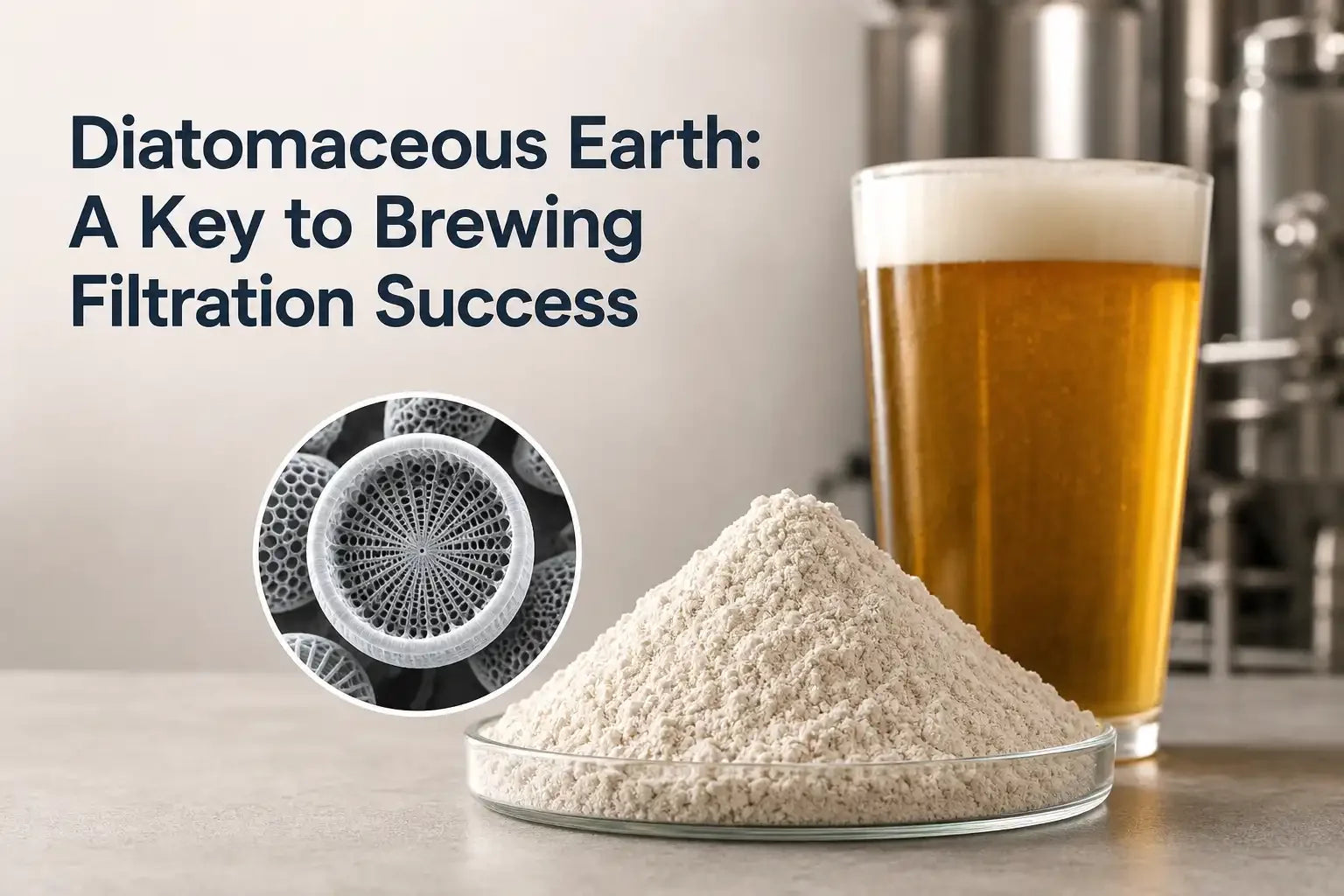
This article explores the crucial role of diatomaceous earth (DE) in the brewing industry, particularly its effectiveness in enhancing filtration processes. Readers will learn about the unique properties of DE that contribute to improved beer clarity and flavor, as well as practical guidance on selecting and applying DE for optimal brewing results. By understanding DE's benefits and mechanisms, brewing professionals and enthusiasts can elevate the quality of their brews.
Table of Contents
- Understanding Diatomaceous Earth in Brewing
- Filtration Mechanism of Diatomaceous Earth
- Selecting the Right Diatomaceous Earth Product
- Key Factors for Selection
- Checklist for Selecting Diatomaceous Earth Products
- Applying Diatomaceous Earth in Brewing
- Step-by-Step Procedure
- Common Mistakes to Avoid
- Comparing Diatomaceous Earth with Other Filtration Methods
- Pros and Cons of Diatomaceous Earth
- Cost-Effectiveness and Efficiency Analysis
- Suitability for Different Brewing Styles
- Case Studies: Successful Brewing with Diatomaceous Earth
- Case Study 1: Local Craft Brewery
- Case Study 2: Regional Brewing Company
- Key Takeaways
- Conclusion: The Future of Diatomaceous Earth in Brewing
Key Takeaways
- Diatomaceous earth (DE) enhances beer clarity by effectively trapping unwanted particles like yeast and hop residue during filtration.
- DE's porous structure allows for efficient filtration without altering the beer's inherent flavors, making it preferable over activated carbon.
- Choosing food-grade diatomaceous earth is essential for safety and quality in brewing applications.
- Proper handling and safety measures are crucial when using DE to prevent respiratory irritation.
- Mixing DE with water to create a slurry ensures even distribution and effective filtration during the brewing process.
- Case studies show that using DE can significantly reduce filtering time and improve beer quality.
- Experimenting with different filtration methods can lead to innovative practices and enhanced beer quality in brewing.
Comparison at a Glance
| Option | Best for | Strengths | Trade-offs |
|---|---|---|---|
| Celatom FW-14 Diatomaceous Earth | Brewing lagers and beers requiring high clarity | Highly effective filtration, enhances clarity and flavor | Requires careful handling to avoid inhalation |
| Carbon Chemistry ZeoClear L-Fine | Complementing DE filtration in specific brewing processes | Can enhance flavor and clarity when used with DE | Primarily a zeolite product, may not be suitable alone |
| XActive Carbon | Removing unwanted flavors and odors | Highly effective in flavor balance for specialty brews | Higher initial cost compared to DE |
| Liquid Potassium Hydroxide 45% - NSF Food Grade (KOH) | pH adjustment and cleaning in brewing | Food-grade, effective for pH control | Requires careful handling and knowledge of usage |
Diatomaceous earth (DE) has become a staple in the brewing industry, particularly for its ability to enhance filtration processes. Known for its unique porous structure and natural composition, DE provides a reliable method for clarifying beer while improving overall flavor and quality. This article delves into the significance of diatomaceous earth in brewing, its filtration mechanism, and how it can benefit brewing professionals and enthusiasts alike.
Understanding Diatomaceous Earth in Brewing
Diatomaceous earth is primarily composed of the fossilized remains of tiny, aquatic organisms called diatoms. These organisms have a silica-based cell wall, which contributes to DE's exceptional filtration properties. Historically, DE has been utilized in various industries, including food and beverage, for its filtering capabilities. In brewing, it has been valued for its ability to trap unwanted particles, thus enhancing the clarity and stability of the final product.

One of the key benefits of using diatomaceous earth in brewing is its ability to improve beer clarity. When added to the filtration process, DE helps to separate solids such as yeast and hop residue from the liquid. This not only results in a clearer beer but also contributes to a more refined flavor profile, as unwanted particles can often lead to off-flavors. Additionally, DE is non-toxic and food-grade, making it a safe choice for brewing applications.
Filtration Mechanism of Diatomaceous Earth
The filtration mechanism of diatomaceous earth is rooted in its highly porous structure. When DE is introduced into the brewing process, it acts as a filter medium, capturing particles as the liquid passes through. The microscopic pores trap solid materials while allowing the liquid to flow freely, which is essential for maintaining efficiency in the filtration process.
In comparison with other filtration methods, such as activated carbon or paper filters, diatomaceous earth offers unique advantages. While activated carbon can absorb flavors and aromas, DE primarily serves to clarify the liquid without altering its inherent characteristics. This makes it particularly suitable for brewing, where flavor integrity is crucial.
The impact of diatomaceous earth on beer clarity and flavor cannot be overstated. By effectively removing particulates, DE enhances the visual appeal of the beer, making it more attractive to consumers. Furthermore, clearer beer often has a more pleasant mouthfeel and taste, as the absence of unwanted solids can lead to a smoother drinking experience.
Selecting the Right Diatomaceous Earth Product
When it comes to brewing, selecting the right diatomaceous earth (DE) product is crucial for achieving optimal filtration results. Here are some key factors to consider:
Key Factors for Selection
- Grade: Diatomaceous earth comes in various grades, with food grade being the most suitable for brewing. Food-grade DE is free from harmful additives and is safe for consumption.
- Purity: Look for products that specify a high level of purity, as impurities can affect the flavor and clarity of your brew.
- Application: Different DE products may be tailored for specific uses, such as filtering beer or wine. Ensure that the product is designed for brewing applications.
Two recommended products that excel in brewing filtration include:
- Celatom FW-14 Diatomaceous Earth (Beer & Wine): This product is specifically formulated for brewing, known for its effective filtration properties.
- Carbon Chemistry ZeoClear L-Fine: While primarily a zeolite product, it can complement DE filtration in certain brewing processes.
Additionally, safety and handling are vital considerations. Always wear appropriate protective gear, including gloves and masks, when handling diatomaceous earth to prevent respiratory irritation. Store DE in a cool, dry place away from moisture to maintain its effectiveness.


Checklist for Selecting Diatomaceous Earth Products
- Is it food grade?
- What is the purity level?
- Is it specifically intended for brewing applications?
- What is the recommended usage amount?
- Are there any safety warnings or handling instructions?
Applying Diatomaceous Earth in Brewing
Using diatomaceous earth in brewing can significantly enhance the clarity and flavor of your beer. Here’s a step-by-step guide to effectively apply DE in your brewing process:
Step-by-Step Procedure
- Preparation: Ensure that all equipment, including the filtration system, is clean and sanitized before use.
- Mixing: In a separate container, mix the required amount of diatomaceous earth with water to create a slurry. This helps prevent clumping and ensures even distribution during filtration.
- Filtration Setup: Set up your filtration system according to the manufacturer’s instructions. This could involve using a vacuum pump or a jacketed reaction vessel for optimal performance.
- Application: Slowly introduce the DE slurry into the brewing mixture. Monitor the flow rate to ensure effective filtration without clogging.
- Final Filtration: Once the initial filtration is complete, conduct a second filtration if necessary to achieve the desired clarity.
Common Mistakes to Avoid
- Using non-food-grade diatomaceous earth, which can introduce harmful contaminants.
- Failing to mix DE properly, leading to uneven filtration.
- Neglecting to clean equipment thoroughly, which can result in off-flavors in the final product.
By following these guidelines and utilizing the right products, brewers can leverage the power of diatomaceous earth to enhance the quality of their brews significantly. Experimenting with DE can lead to improved clarity and flavor, making it a valuable addition to any brewing process.
Comparing Diatomaceous Earth with Other Filtration Methods
When it comes to brewing, choosing the right filtration method can significantly impact the quality of the final product. Diatomaceous earth (DE) is a popular choice due to its unique properties, but how does it stack up against other filtration methods like activated carbon or mechanical filters? Here's a closer look at the pros and cons of diatomaceous earth compared to these alternatives.
Pros and Cons of Diatomaceous Earth
-
Pros:
- High Efficiency: The porous structure of DE allows it to trap particles effectively, resulting in clearer beer.
- Natural Filtration: DE is a natural product, making it a preferred choice for many brewers concerned with chemical additives.
- Cost-Effective: When purchased in bulk, DE can be more economical than some other filtration options.
-
Cons:
- Handling Safety: DE can be hazardous if inhaled, requiring proper safety measures when handling.
- Time-Consuming Cleaning: Equipment used with DE may require more extensive cleaning compared to other filtration methods.
Cost-Effectiveness and Efficiency Analysis
Diatomaceous earth often presents a lower upfront cost than activated carbon, making it attractive for smaller breweries or home brewers. However, the total cost of ownership should consider the frequency of replacement and cleaning. Activated carbon filters may have a higher initial cost but can be more efficient in removing certain impurities, particularly volatile compounds that affect flavor. Ultimately, the choice may depend on the specific brewing style and desired outcomes.
Suitability for Different Brewing Styles
Diatomaceous earth is particularly well-suited for lagers and other beers that require a high level of clarity. Its ability to filter out yeast and other particles makes it ideal for brews that need to be presented crystal clear. In contrast, activated carbon is better for removing unwanted flavors and odors, making it suitable for specialty brews where flavor balance is paramount. Understanding the desired characteristics of the final product will guide brewers in selecting the most appropriate filtration method.
Case Studies: Successful Brewing with Diatomaceous Earth
Several breweries have successfully integrated diatomaceous earth into their filtration processes, achieving remarkable results. Here are a few notable examples:
Case Study 1: Local Craft Brewery
This brewery faced challenges with yeast sediment in their lagers, leading to inconsistent clarity. By implementing Celatom FW-14 Diatomaceous Earth, they improved clarity significantly while maintaining the desired flavor profile. Post-implementation, they reported a 30% reduction in filtering time.
Case Study 2: Regional Brewing Company
Another brewery struggled with off-flavors attributed to impurities in their water supply. They introduced XActive Carbon alongside DE for a dual filtration approach. This combination not only enhanced clarity but also improved the overall taste of their beers, resulting in positive feedback from customers.

Key Takeaways
- Diatomaceous earth effectively enhances clarity and filtration speed.
- Combining DE with other filtration methods can address specific challenges.
- Consistent monitoring and adjustments can lead to better results in brewing quality.
Conclusion: The Future of Diatomaceous Earth in Brewing
Diatomaceous earth offers numerous benefits for brewing filtration, including natural clarity and cost-effectiveness. As brewing technology evolves, we can expect to see advancements in filtration techniques, including more refined diatomaceous earth products tailored for specific brewing needs. Brewers are encouraged to experiment with DE to uncover its full potential in enhancing their brewing processes. Trying out different filtration methods, including diatomaceous earth, could lead to innovative brewing practices and improved beer quality.

Frequently Asked Questions
1. What is diatomaceous earth (DE) and its role in brewing?
2. How does diatomaceous earth improve beer clarity?
3. What are the key factors to consider when selecting a diatomaceous earth product for brewing?
4. What are some common mistakes to avoid when using diatomaceous earth in brewing?
5. How does diatomaceous earth compare to other filtration methods in brewing?
Glossary
| Term | Meaning |
|---|---|
| Diatomaceous Earth (DE) | A natural, porous substance made from fossilized diatoms used for filtration. |
| Filtration | The process of removing solids from liquids to improve clarity and quality. |
| Food Grade | Refers to substances safe for human consumption, free from harmful additives. |
| Clarity | The visual transparency of beer, enhanced by removing unwanted particles. |
| Slurry | A mixture of diatomaceous earth and water used for even distribution during filtration. |
| Activated Carbon | A filtration method that absorbs flavors and odors, used for specific brewing needs. |
| Purity | The level of contaminants in a product, crucial for maintaining flavor and quality. |
| Microscopic Pores | Small openings in DE that trap solid particles while allowing liquid to flow through. |
| Brewing Process | The series of steps taken to produce beer, including fermentation and filtration. |
| Safety Measures | Precautions taken, such as wearing protective gear, when handling diatomaceous earth. |